Game Introduction
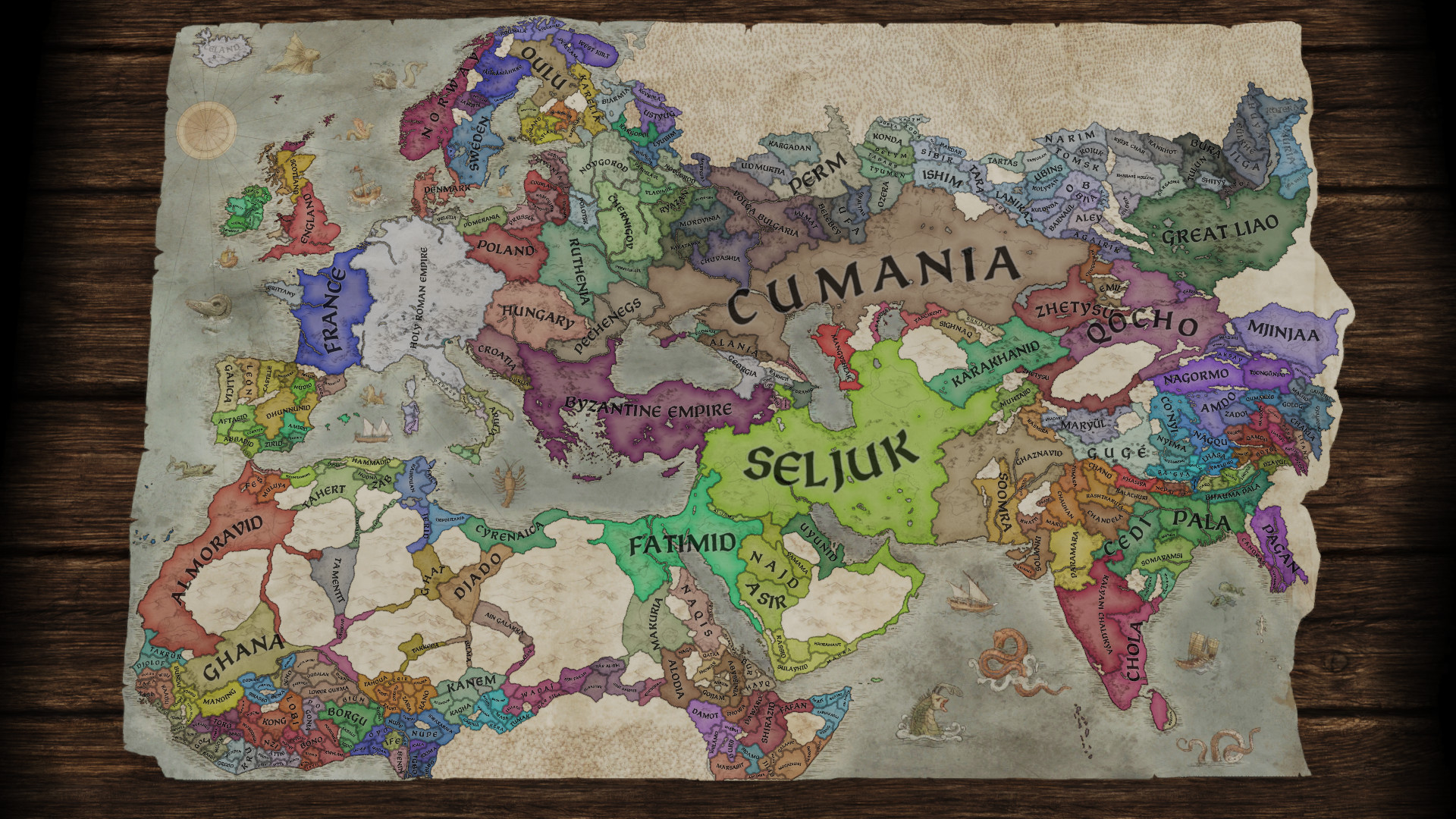
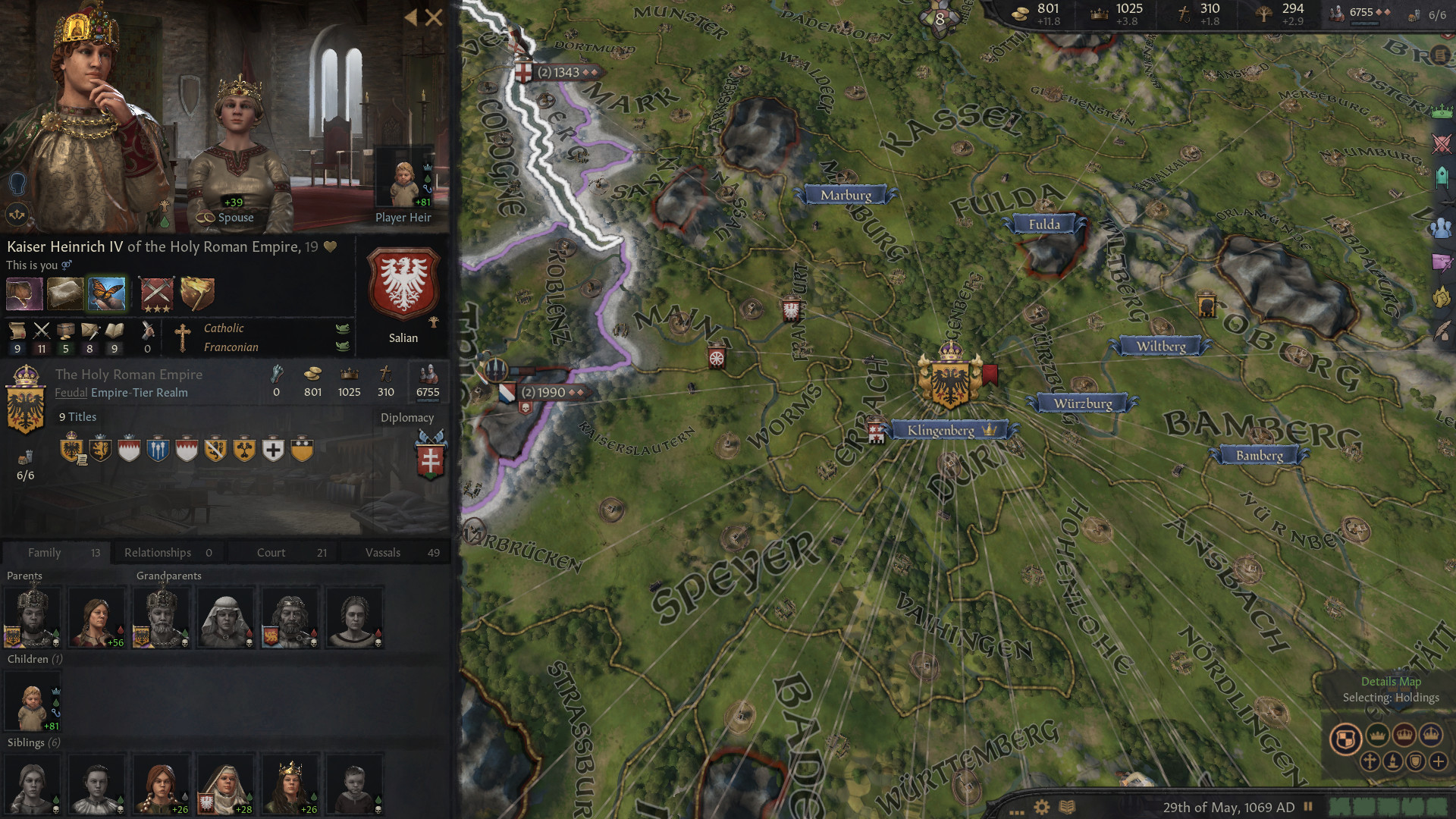
Crusader Kings III (abbreviated as CK3) is a classic medieval strategy game released by Paradox Interactive on September 1, 2020, and the latest mainline sequel in the Crusader Kings series. Set against the backdrop of the Middle Ages from 1066 to 1337, players assume the role of noble family rulers across Europe, the Middle East, North Africa, and even the Indian subcontinent. From the icy fjords of Norway to the dusty deserts of Persia, players will experience a grand historical journey spanning centuries. The core of the game lies in "playing as a dynasty rather than a nation." Players must employ various means such as bloodline inheritance, diplomatic maneuvering, military conquest, and religious influence to ensure the continuation and expansion of their family's glory. Unlike traditional strategy games that adopt a national perspective, Crusader Kings III places greater emphasis on the cultivation of individual characters, the management of court intrigue, and the rise and fall of family dynasties across generations, offering players an unprecedented immersive medieval experience.
Game Features
Deep Role-Playing System
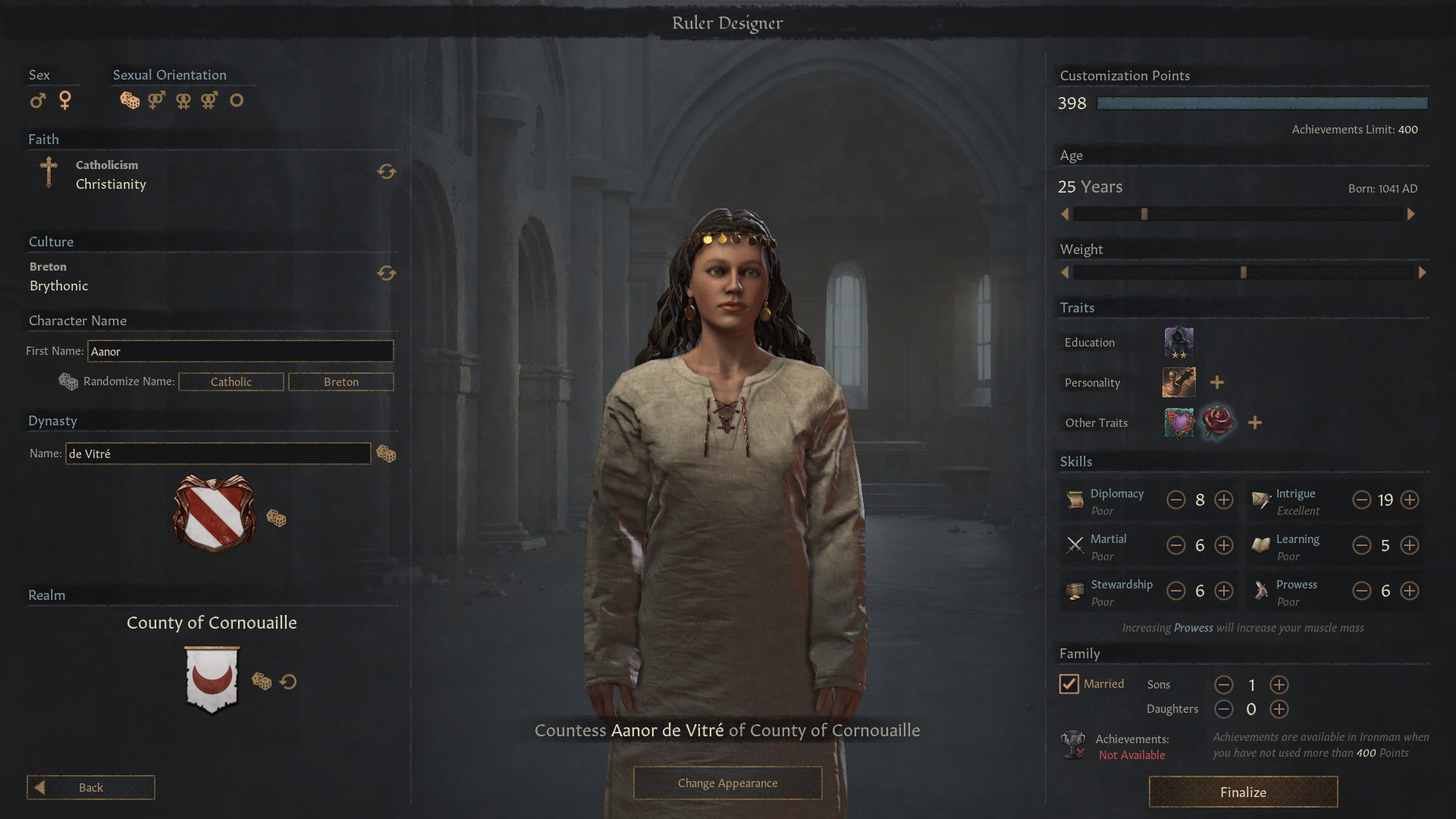
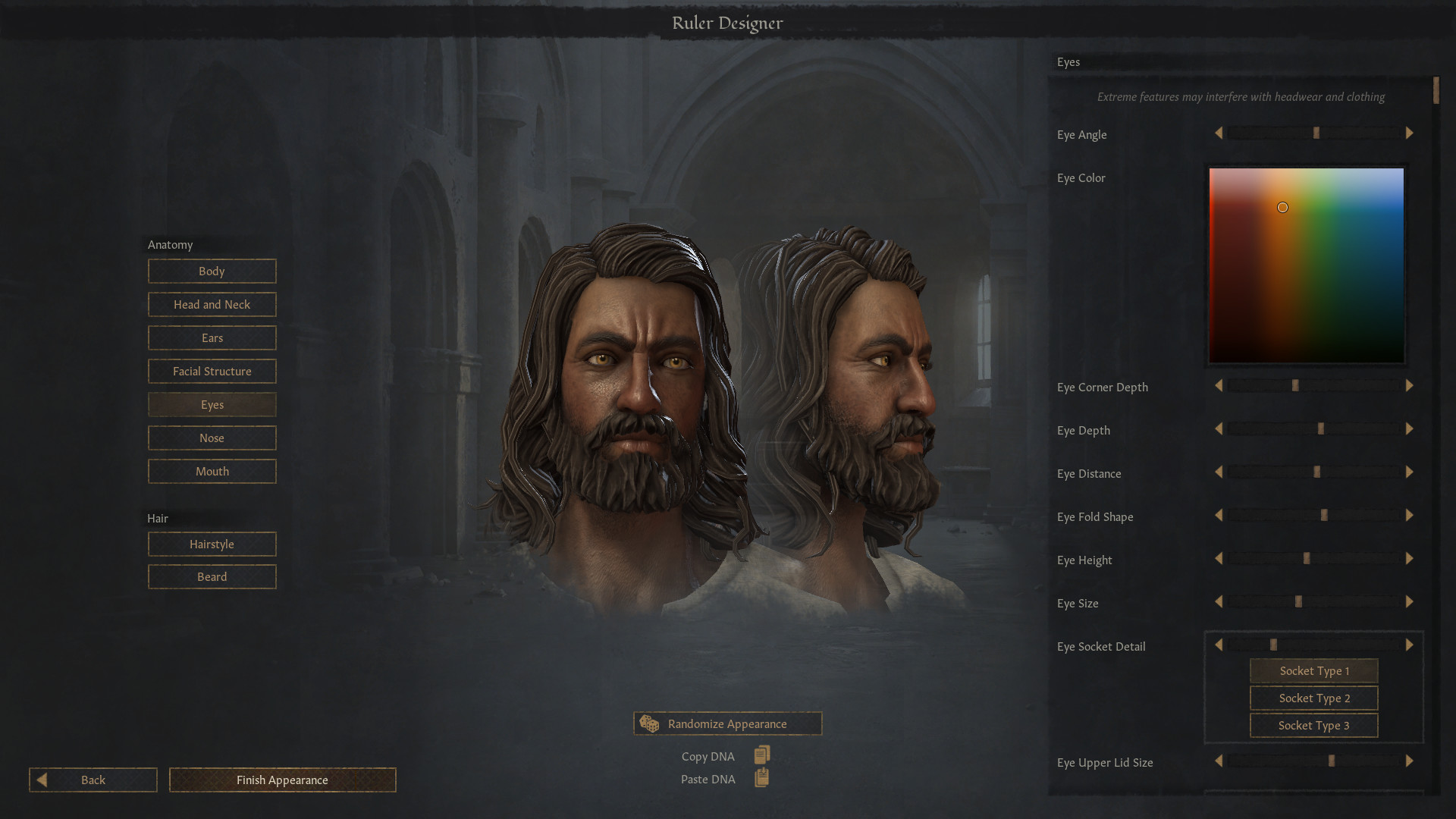
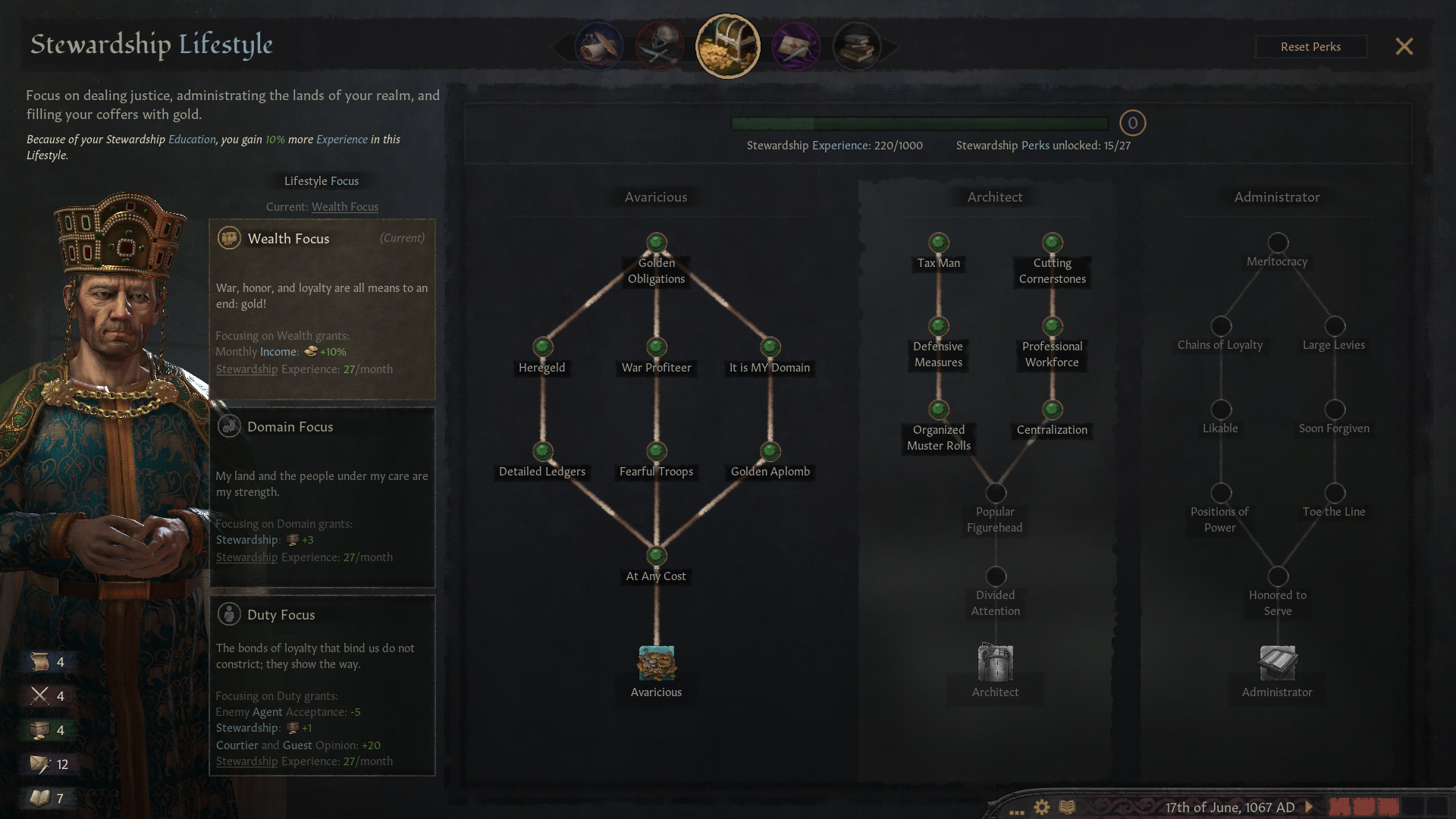
The game features an exceptionally rich character system, where each ruler possesses unique personality traits, skills, appearance characteristics, and genetic traits. Players can manage a character's mental health through the "Stress" mechanism, influencing their decisions and actions. Hundreds of genetic traits are passed down through the family bloodline, including innate advantages like intelligence, prowess, and charm, as well as potential hereditary diseases or personality flaws.
Open-Ended Narrative Design
Crusader Kings III has no fixed victory conditions; the game's outcome is entirely written by the player. You can become a pious saint, an ambitious conqueror, a cunning schemer, or a humble vassal struggling to survive. Every choice shapes a unique historical story.
Exquisite Medieval Aesthetics
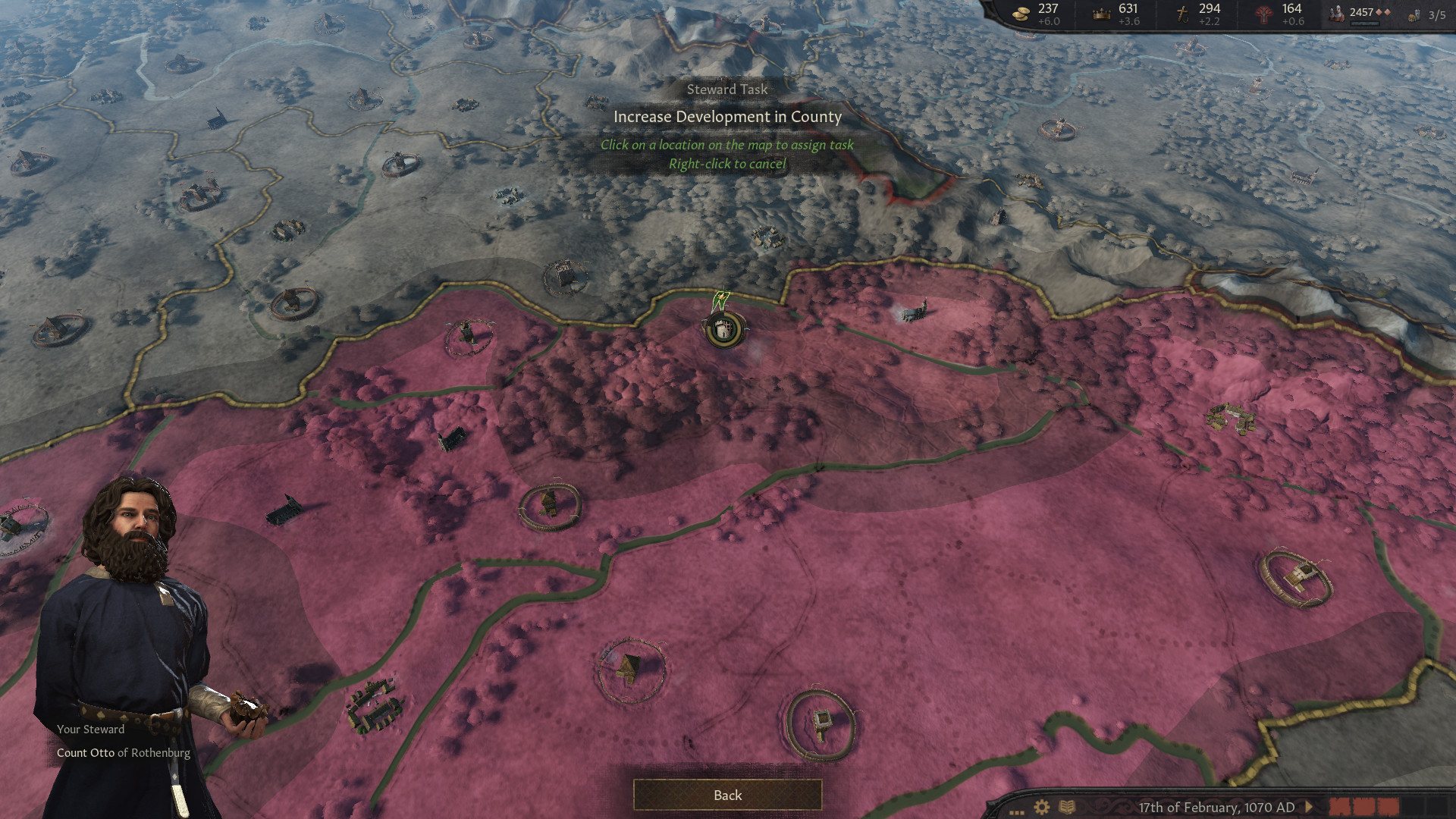
Built with a new engine, the game presents a magnificent yet dignified medieval visual style. From the opulent decorations of royal palaces to the scenes of farming in fields, from the armor of knights to the robes of monks, every detail is meticulously crafted, immersing players in an era filled with both glory and darkness.
Diverse Cultures and Religions
The game encompasses a variety of cultural and religious systems. Players can take on the roles of Christian lords, Islamic sultans, Jewish rabbis, or even pagan chieftains. Different faiths bring unique mechanics and events, with historical events such as religious reforms, Crusades, and Holy Wars authentically recreated in the game.
Gameplay
Dynasty Management and Bloodline Inheritance
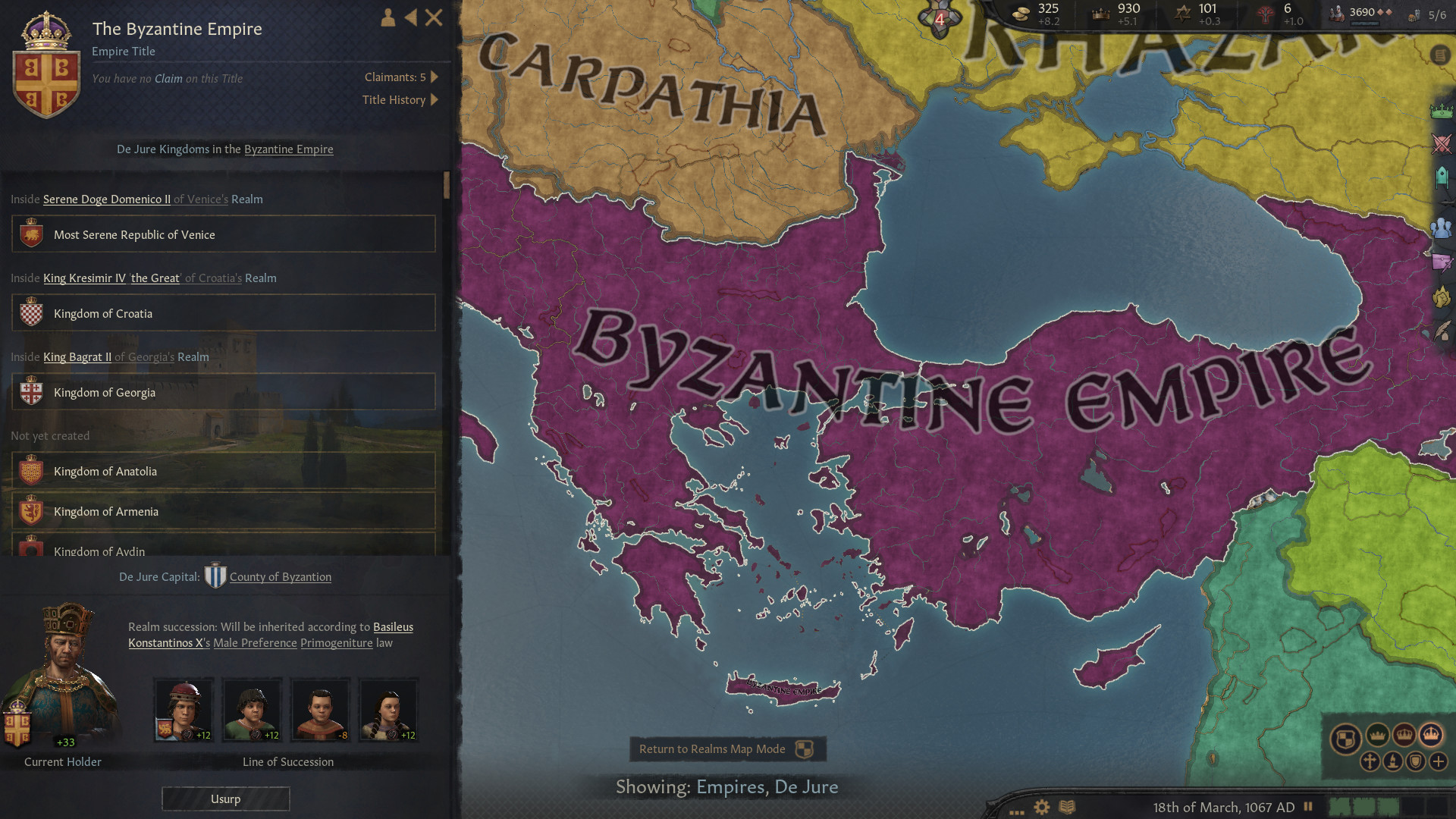
Players must manage their dynasty's marriage alliances, carefully selecting spouses to gain territories, legal claims, or powerful allies. Inheritance laws determine how territories are distributed, making the choice of the right succession law (such as Primogeniture, Elective Monarchy, etc.) crucial. Cultivating heirs and grooming family members for important positions are key to perpetuating the family's glory.
Diplomacy and Court Management
The court system is one of the core elements of the game. Players can recruit talents such as councilors, favorites, and spymasters to handle court affairs. The player's councilors have their own ambitions and loyalties, requiring careful balancing of various factions. Through diplomatic means such as marriages, treaties, and tributes, players can expand their sphere of influence without resorting to war.
Military Conquest and Battle Command
The game's warfare system employs interesting "Prestige" and "Tyranny" mechanics. Players must appropriately muster the armies of their vassals to form a massive feudal host. In battle, players can personally take to the field to earn honor or command from the rear. Diverse combat types such as sieges, ambushes, and naval battles add strategic depth to the game.
Cultural and Religious Influence
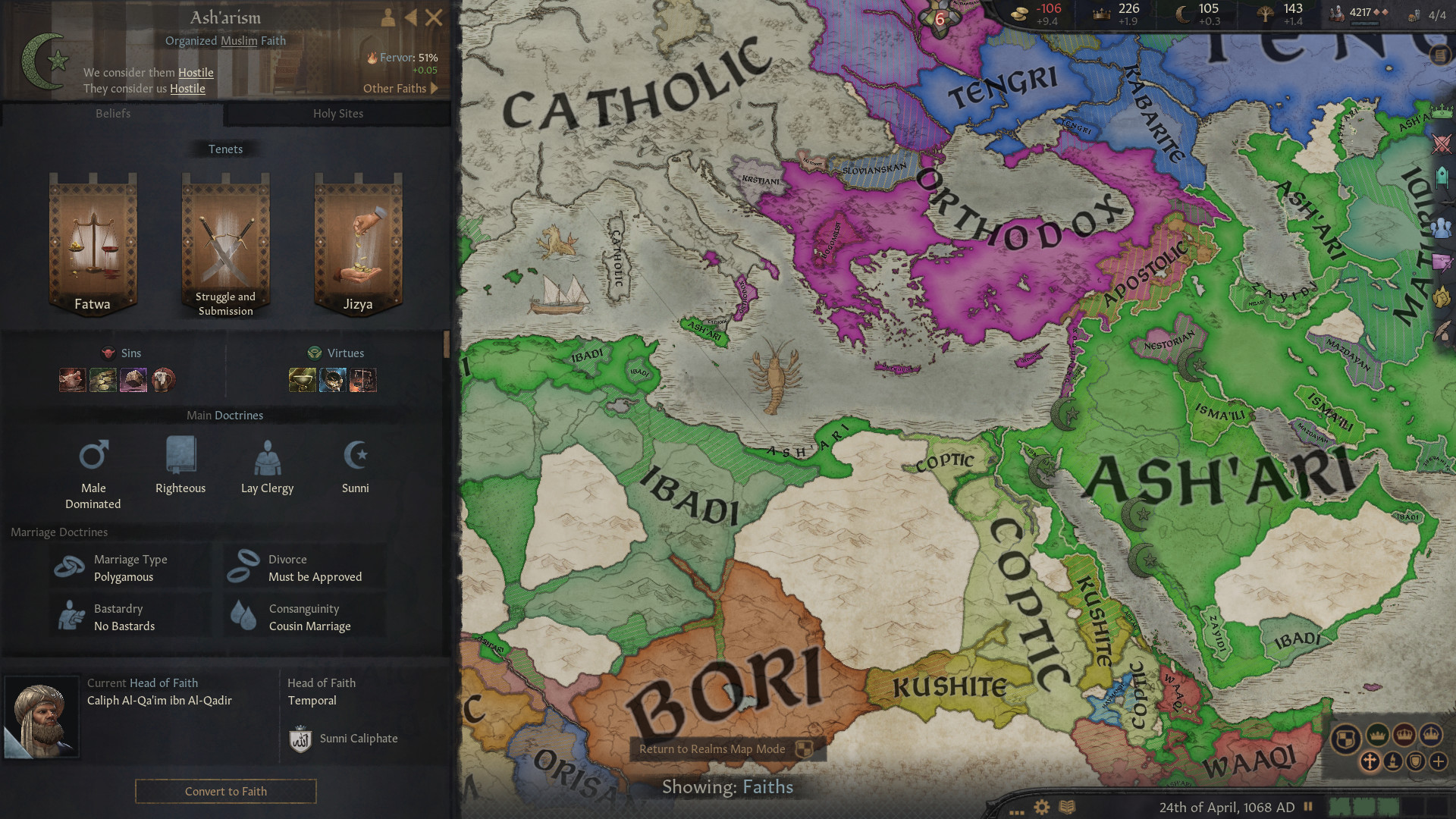
Players can choose to convert to a new religion, found a new faith, or reform an existing one. Different religions offer unique mechanical bonuses, such as the Islamic "Caliphate" system or the Christian "Papal" authority. The culture system allows players to develop unique traditions and innovations, influencing architectural styles, military units, and customs.
Vassals and Centralization
As a king or emperor, players must manage numerous vassals. A vassal's loyalty is influenced by various factors, including the size of their fief, blood relations, and military strength. Players can choose to move toward a centralized absolute monarchy or maintain the delicate art of feudal decentralization. Vassal rebellions pose significant challenges in the game and must be handled appropriately.
Exploration and Event System
The game includes a vast number of random events and decisions, ranging from court scandals to ominous portents, hunting accidents to plague outbreaks. Players can also dispatch spies to explore the world, discovering lost treasures, ancient secrets, or mysterious legends. Version 1.7 continues to optimize the event system and game balance, providing players with an even richer gaming experience.