Port Royale 4
Game Info
- DeveloperGaming Minds Studios
Game Details
Game Introduction
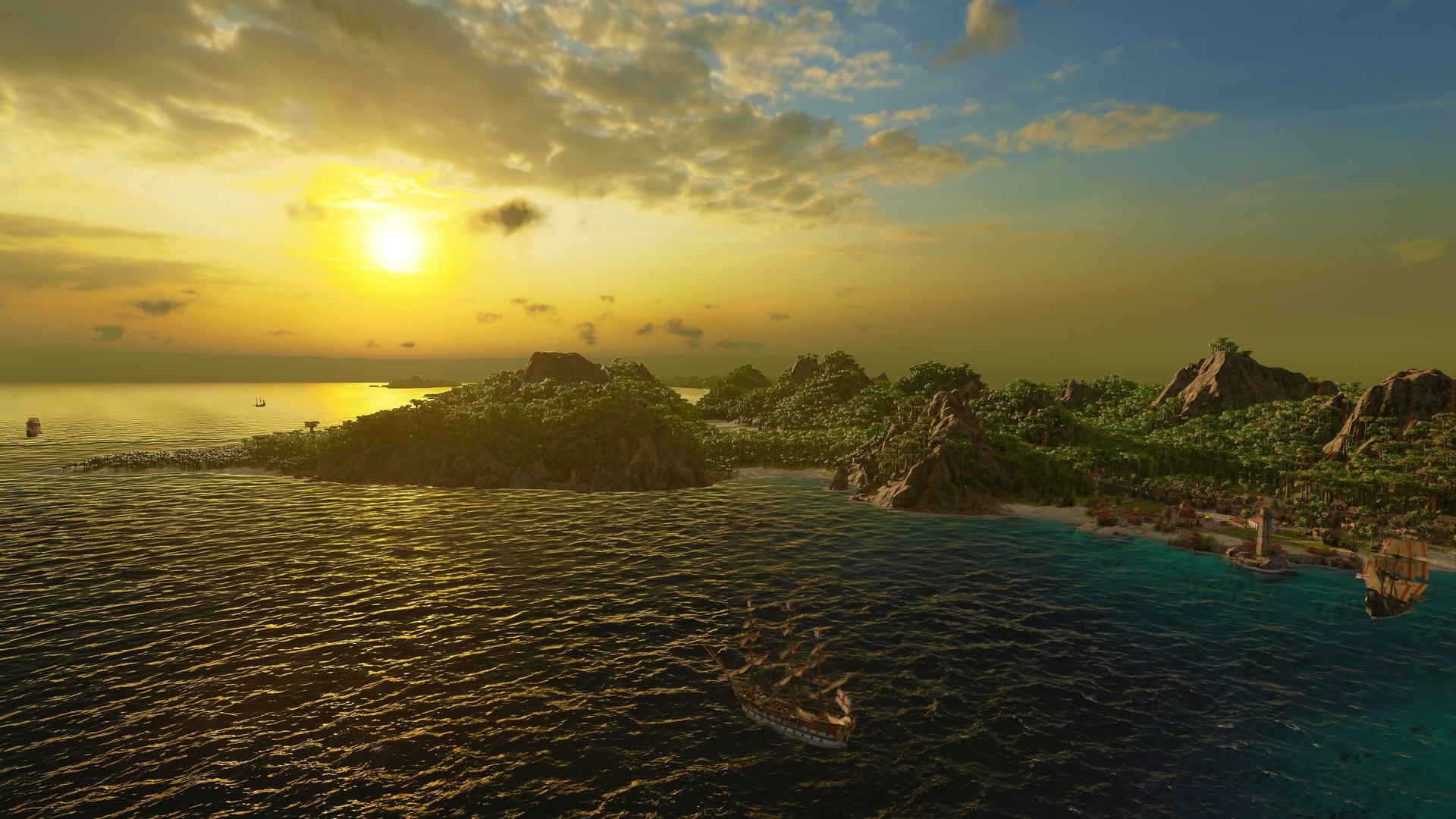
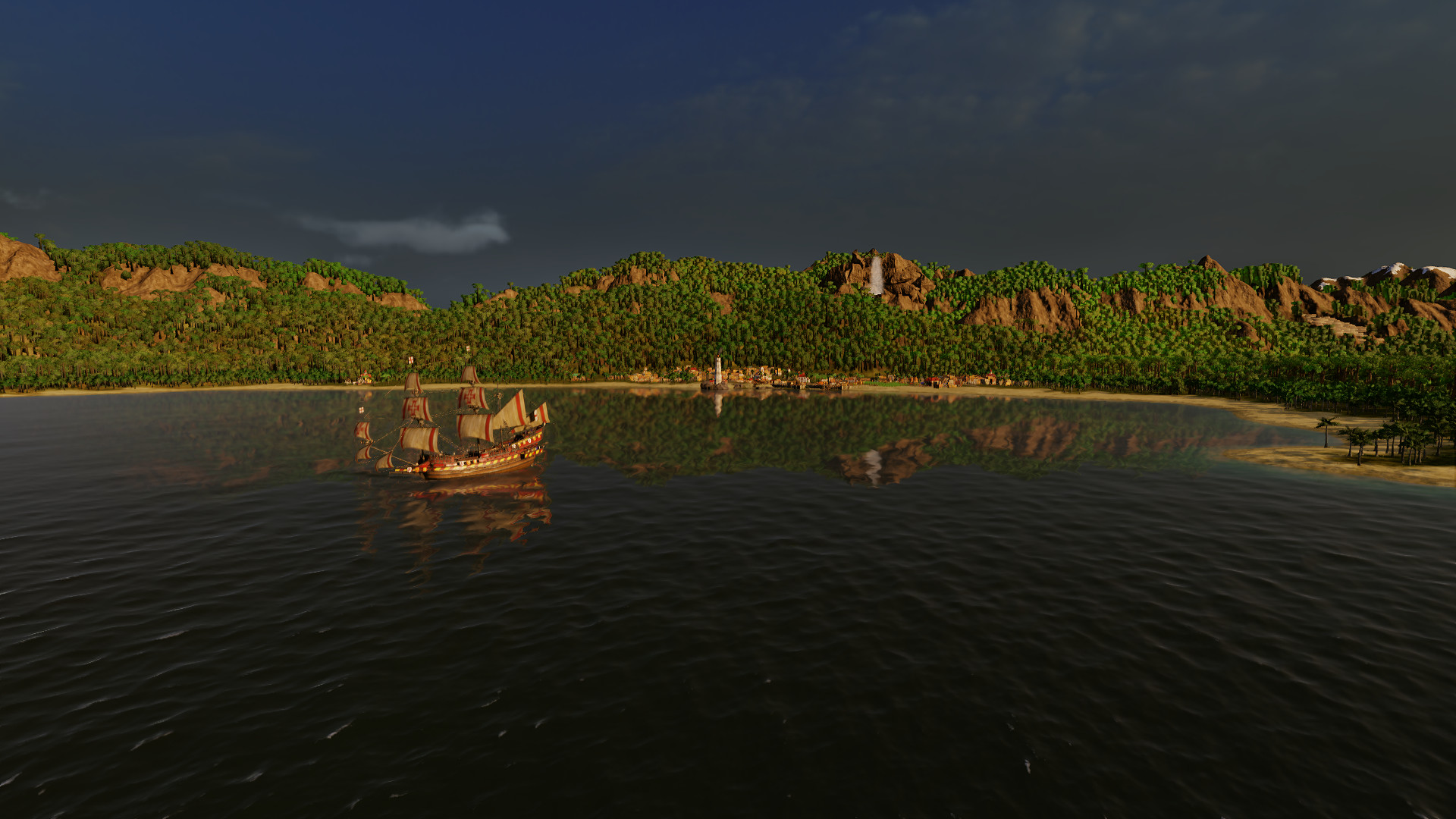
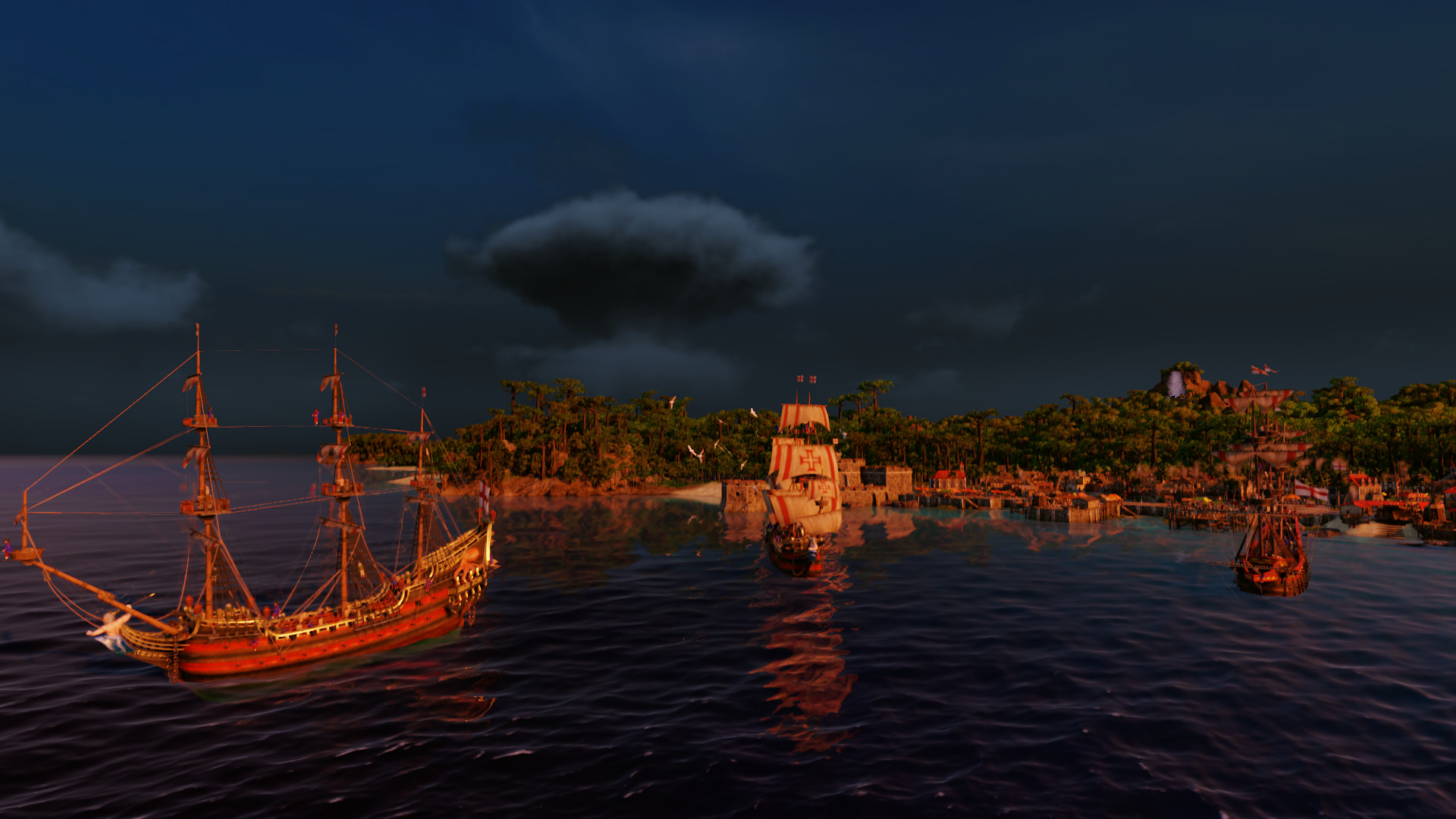
Port Royale 4 is the latest official sequel in the classic trade simulation series, developed by German studio Gaming Minds Studios and published by Kalypso Media. Set against the backdrop of the 16th and 17th century Caribbean, players assume the role of a young captain navigating between the four great maritime powers—Spain, England, the Netherlands, and France—to build their own trading empire.
The game is set in the late Age of Discovery, where players evolve from an obscure small-time merchant into the most powerful trade magnate in the Caribbean. Combining elements of strategic planning, trade management, naval combat, and city management, the game presents a realistic and expansive maritime world of the colonial era.
Game Features
Four Faction Selection System
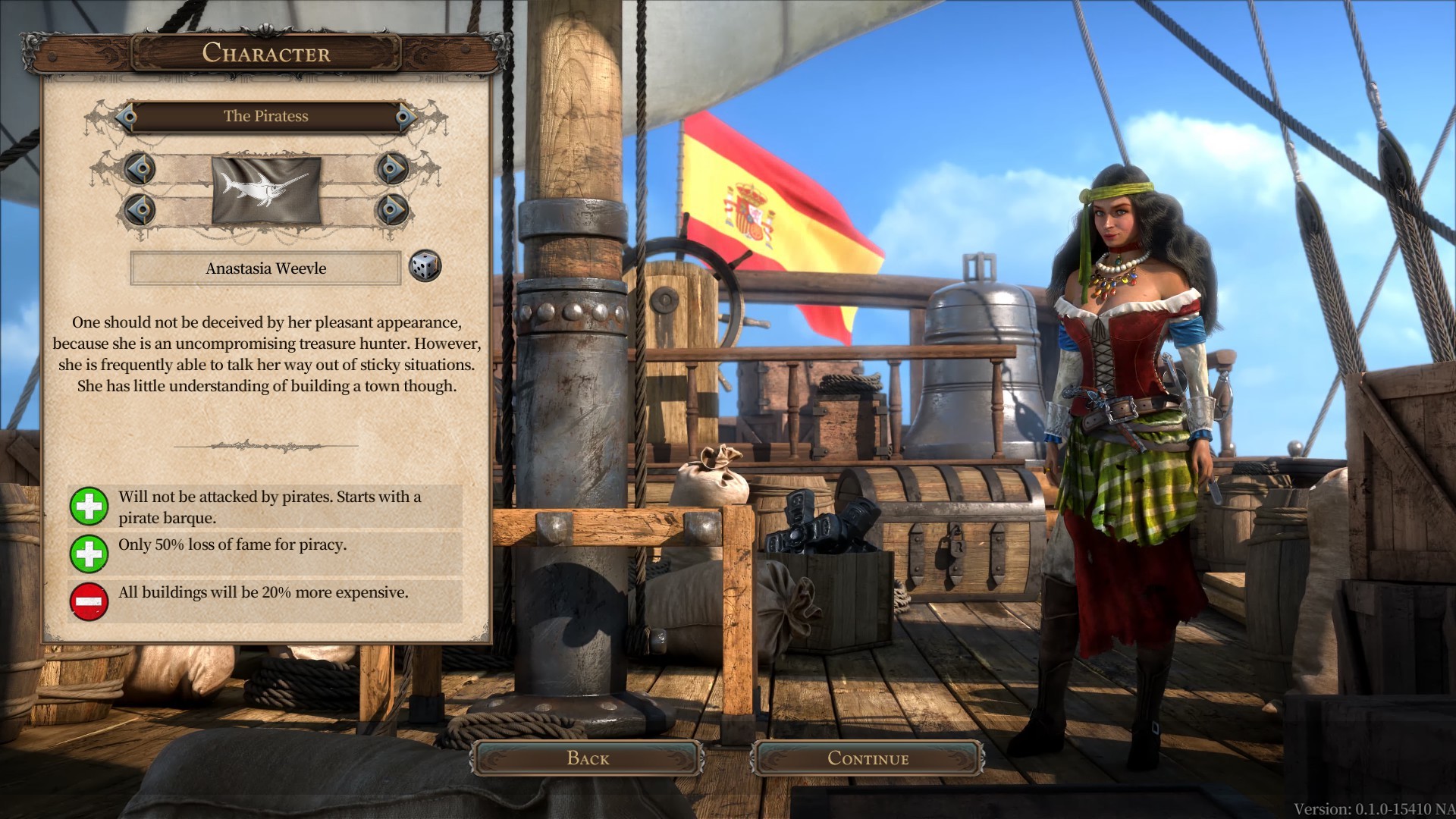
Players can choose to align with one of the four colonial powers: Spain, England, the Netherlands, or France. Each faction offers unique ship types, trade goods, and exclusive mission lines, with different choices leading to vastly different gameplay experiences and development paths.
Realistic Economic Trade Simulation
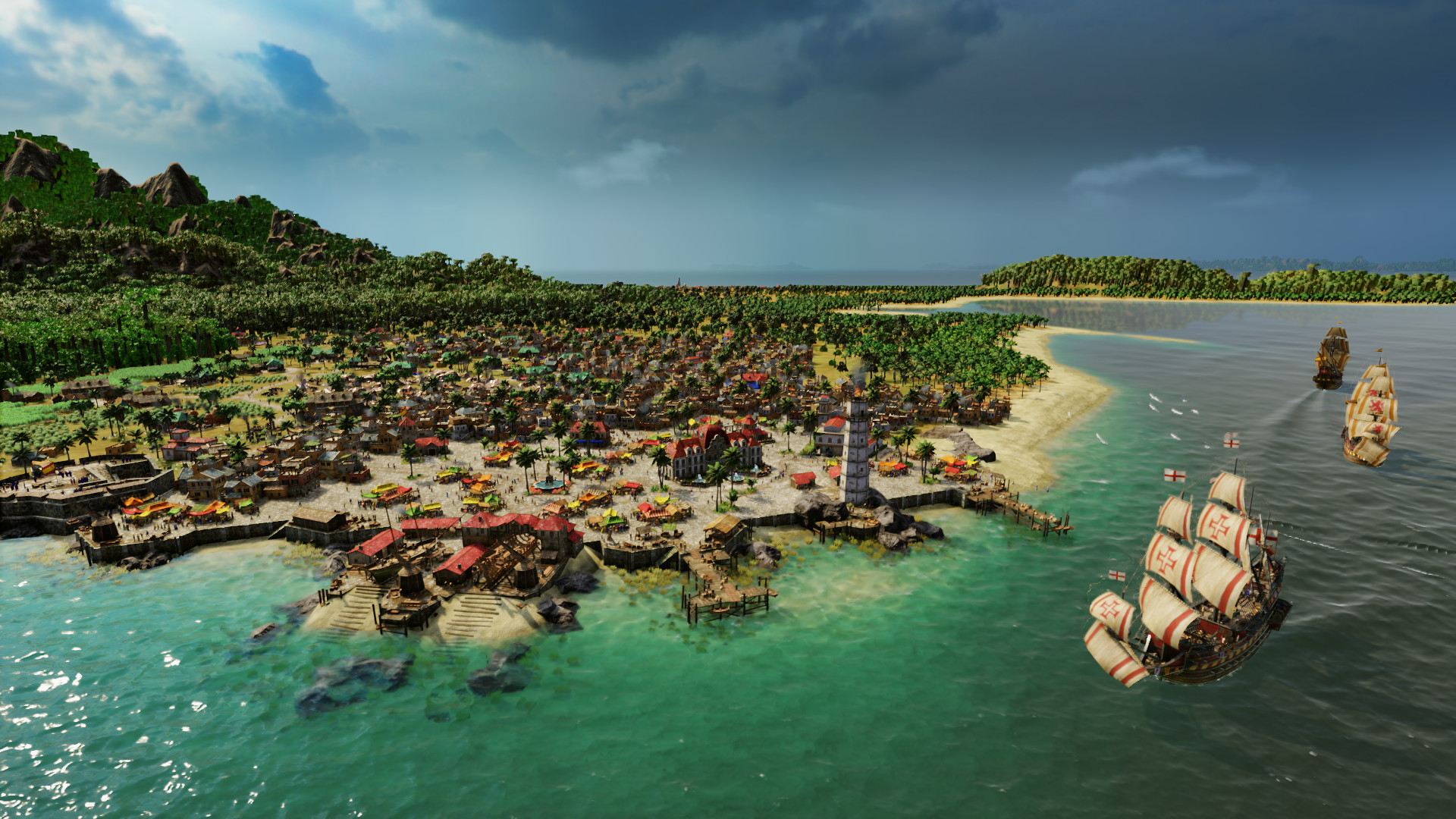
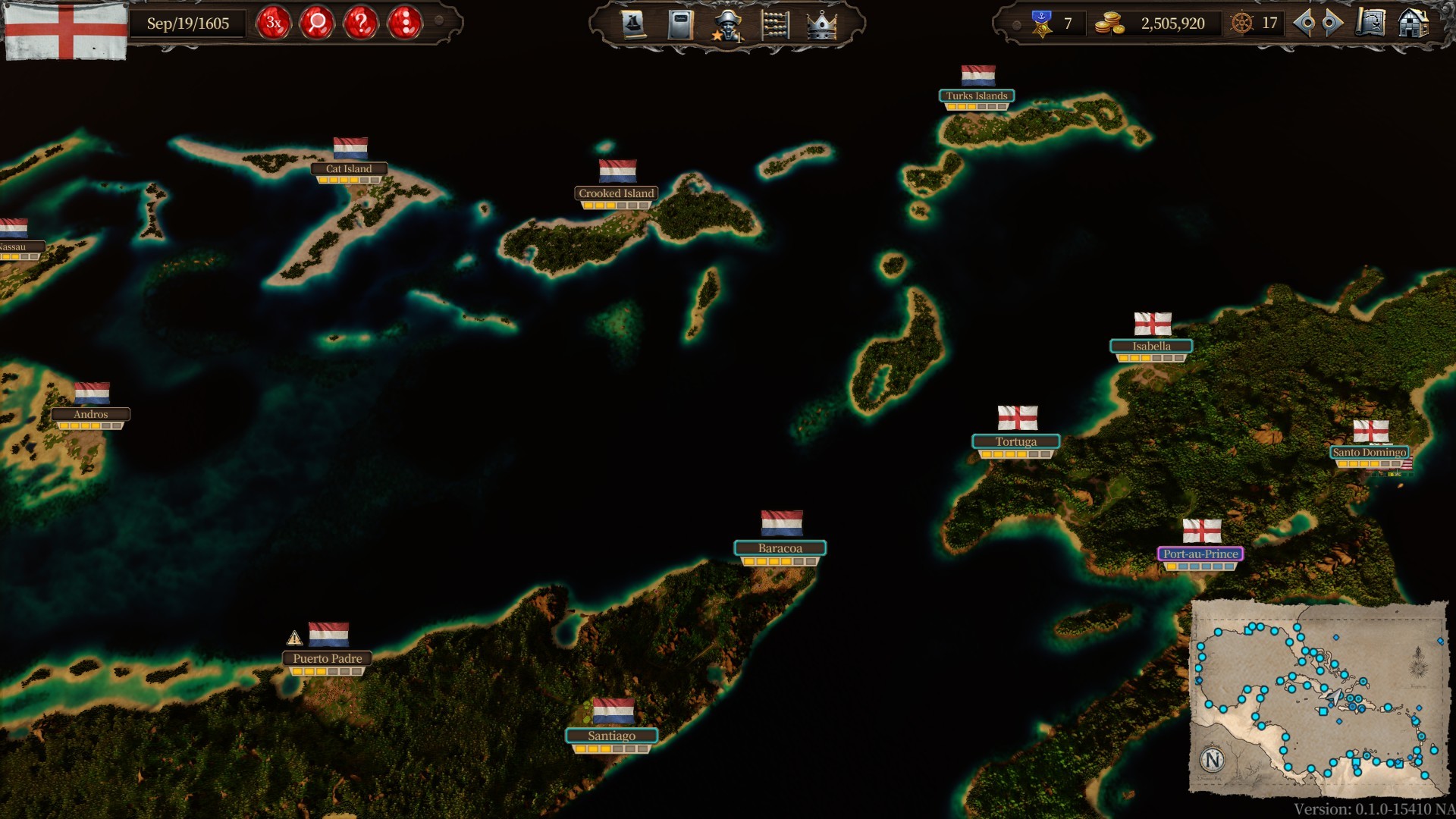
The game features a highly realistic economic system. Sixteen historically accurate Caribbean port cities each have their own characteristics, with different towns producing different goods. Players must study price fluctuations, supply and demand dynamics, purchase goods at low-price ports, and sell them at high-price ports for profit.
Turn-Based Tactical Naval Combat
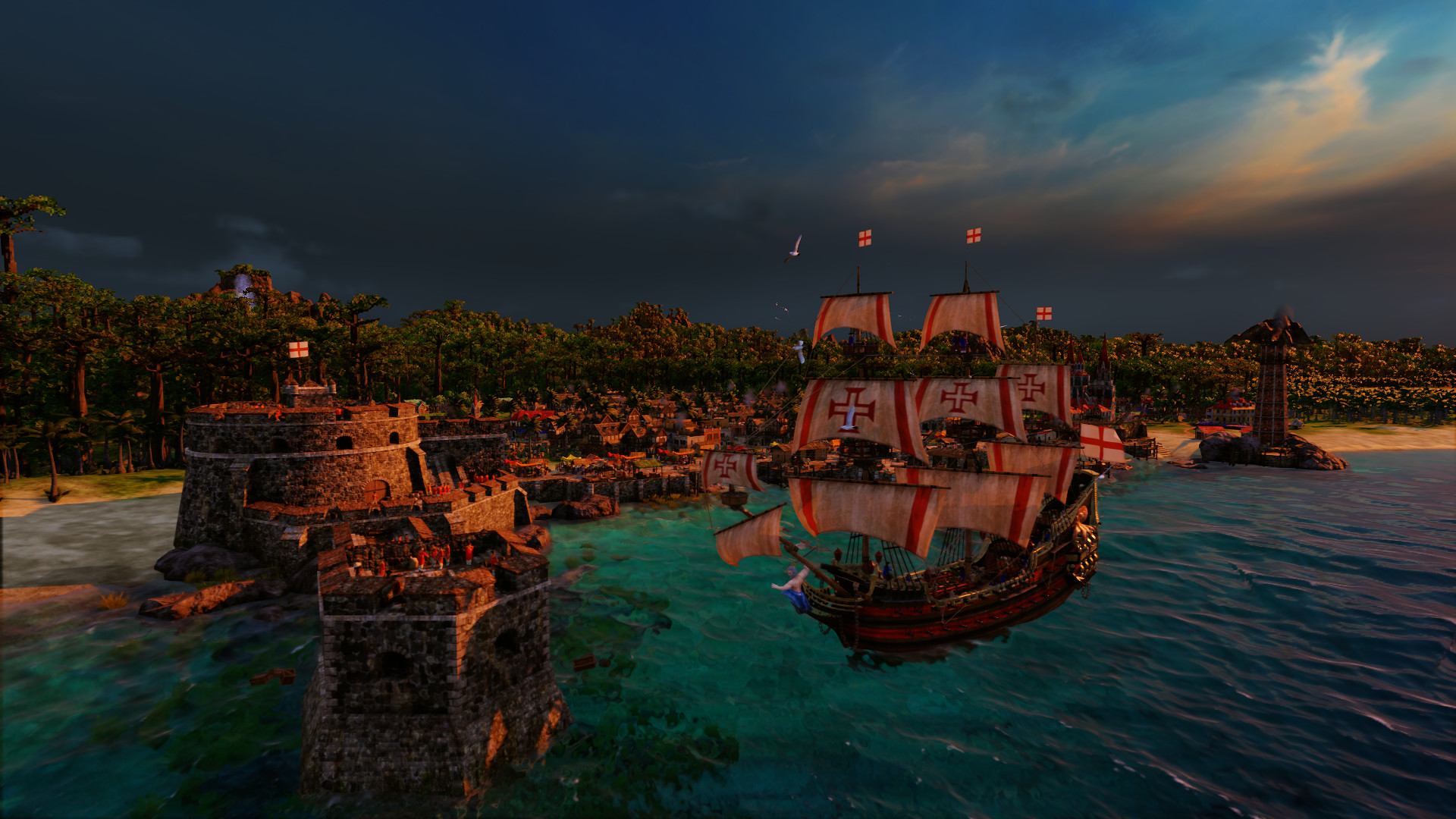
When encountering pirates or enemy fleets, the game switches to a turn-based tactical combat mode. Players can command multiple warships, arrange formations, and devise tactical strategies utilizing wind direction, ammunition types, and ship characteristics to secure naval victories.
City Development and Construction
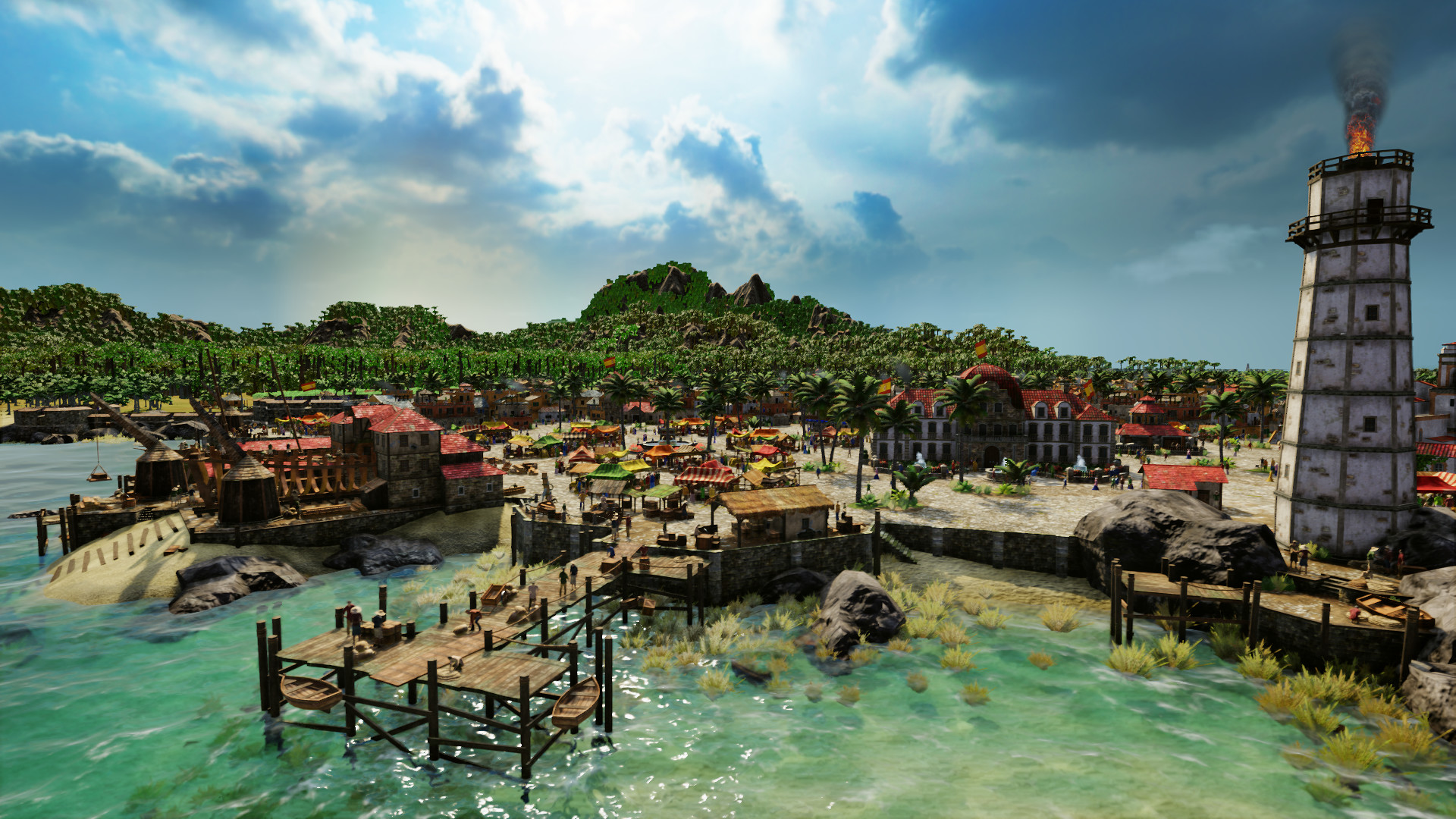
Players can invest in and develop port cities by constructing facilities such as factories, warehouses, and docks. This enhances the city's production capacity and trade scale, leading to increased trade profits and reputation.
Exploration and Discovery
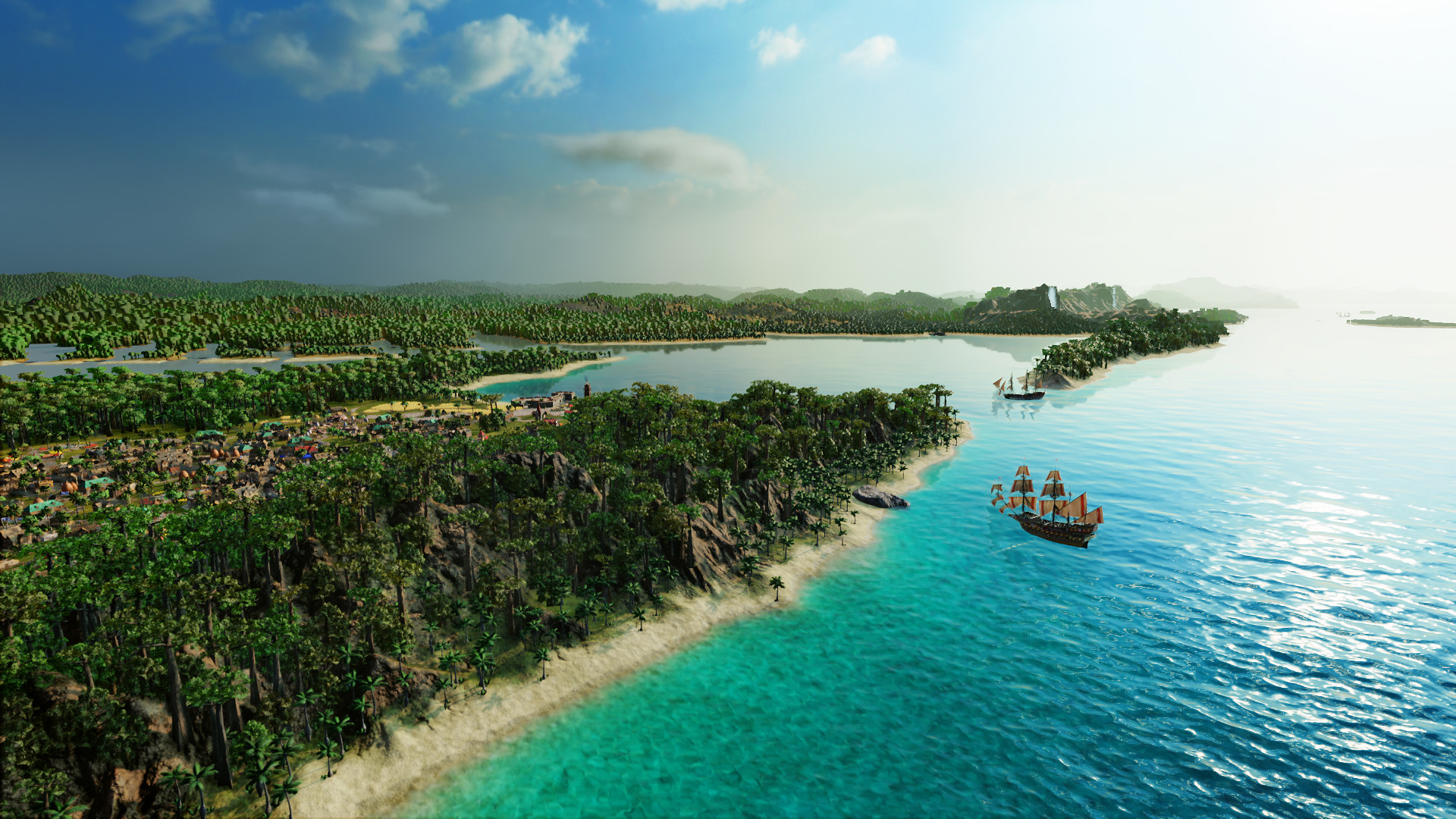
Players can dispatch expeditions to explore uncharted waters and islands, discovering new trade routes, valuable resources, and hidden treasures. This opens up new development opportunities for their trading empire.
Gameplay
Core Trade Management
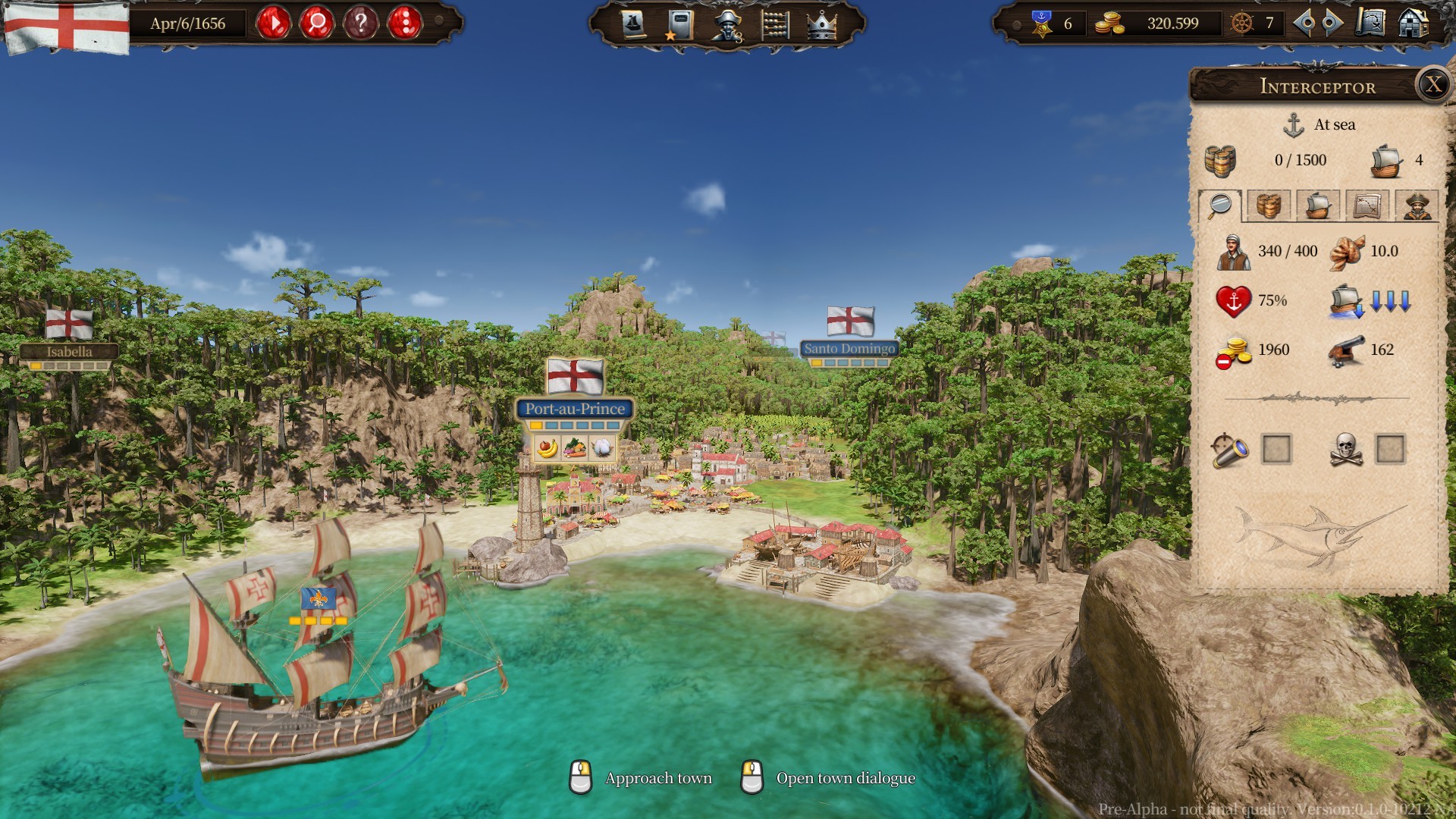
Players earn profits by transporting goods between various ports. The game features a wide variety of goods, including sugar, tobacco, cotton, timber, and ore. Players must closely monitor price fluctuations and supply-demand changes in each port, seizing market opportunities to maximize profits. Purchasing larger merchant ships allows for transporting more cargo at once, improving trade efficiency.
Faction Relationship Management
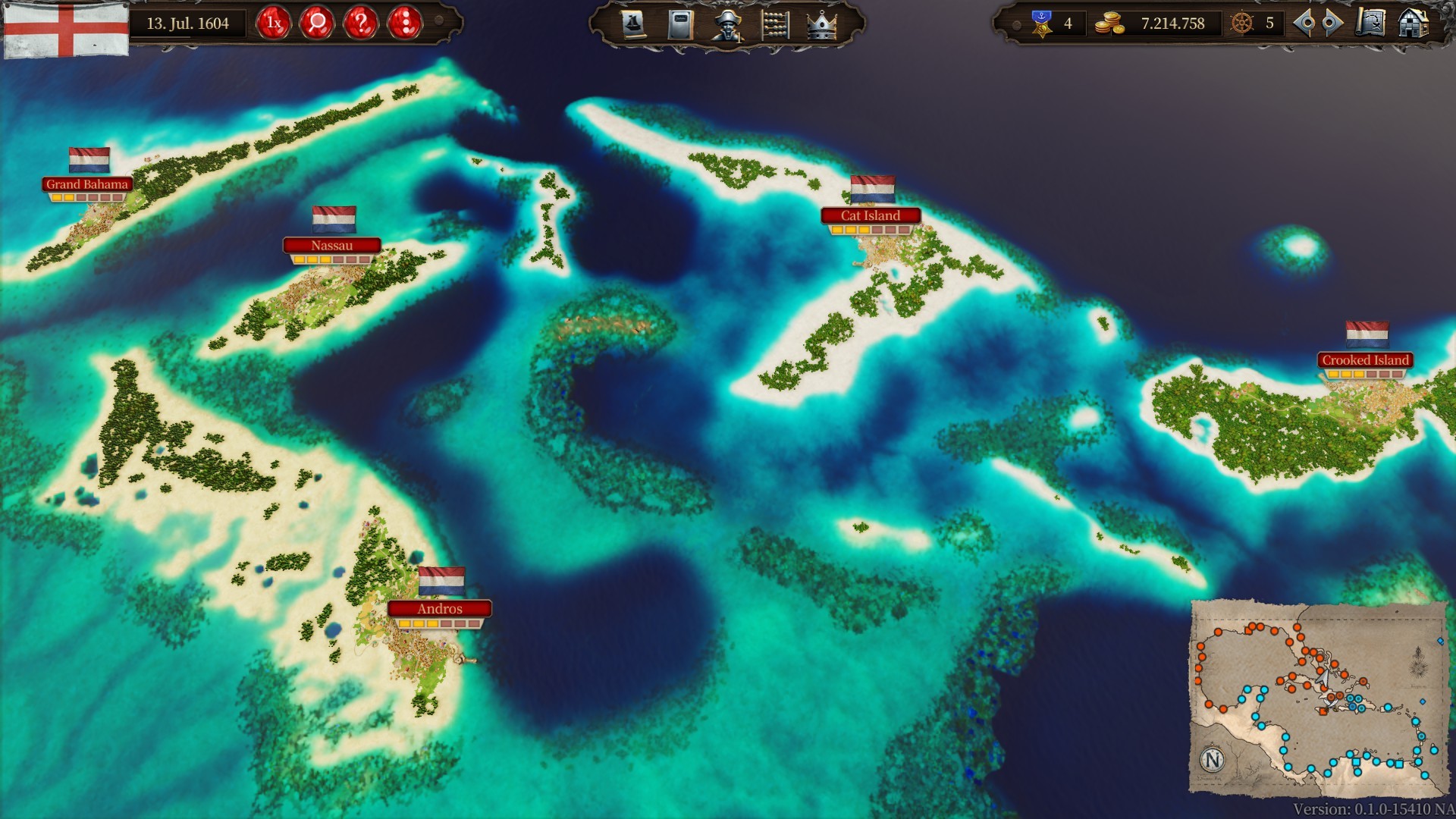
Relationships with the four colonial powers directly affect a player's trade permissions and benefits in their respective ports. By completing missions issued by nations, participating in naval battles to support specific factions, or engaging in diplomatic activities, players can increase their reputation and gain additional trade privileges.
Detailed Naval Combat System
When a player's ships encounter hostile targets, the game enters turn-based tactical combat. Players can command up to eight warships, deploying them in different positions. The game offers various ammunition types—chain shot for rigging, round shot for hull damage, and explosive shells for area damage—requiring players to choose appropriate tactics based on enemy ship types and battlefield conditions.
Town Management Strategy
Players can purchase properties and construct production facilities in ports. Rational city planning enhances production efficiency; for example, building a sugar mill near sugarcane plantations to process raw materials or establishing a metal workshop near mining areas. City development also influences the player's reputation and faction relationships.
Mission and Story Progression
The game includes a rich array of main and side quests. Main quests guide players through the game systems and advance the storyline, while side quests offer additional rewards and narrative content. Some missions involve complex political intrigues and maritime adventures.