Dark Souls III
Game Info
- DeveloperFromSoftware
Game Details
Game Introduction
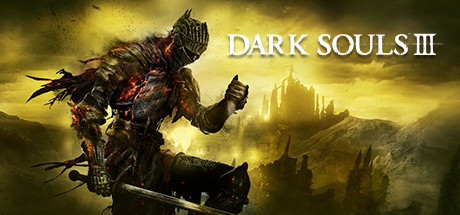
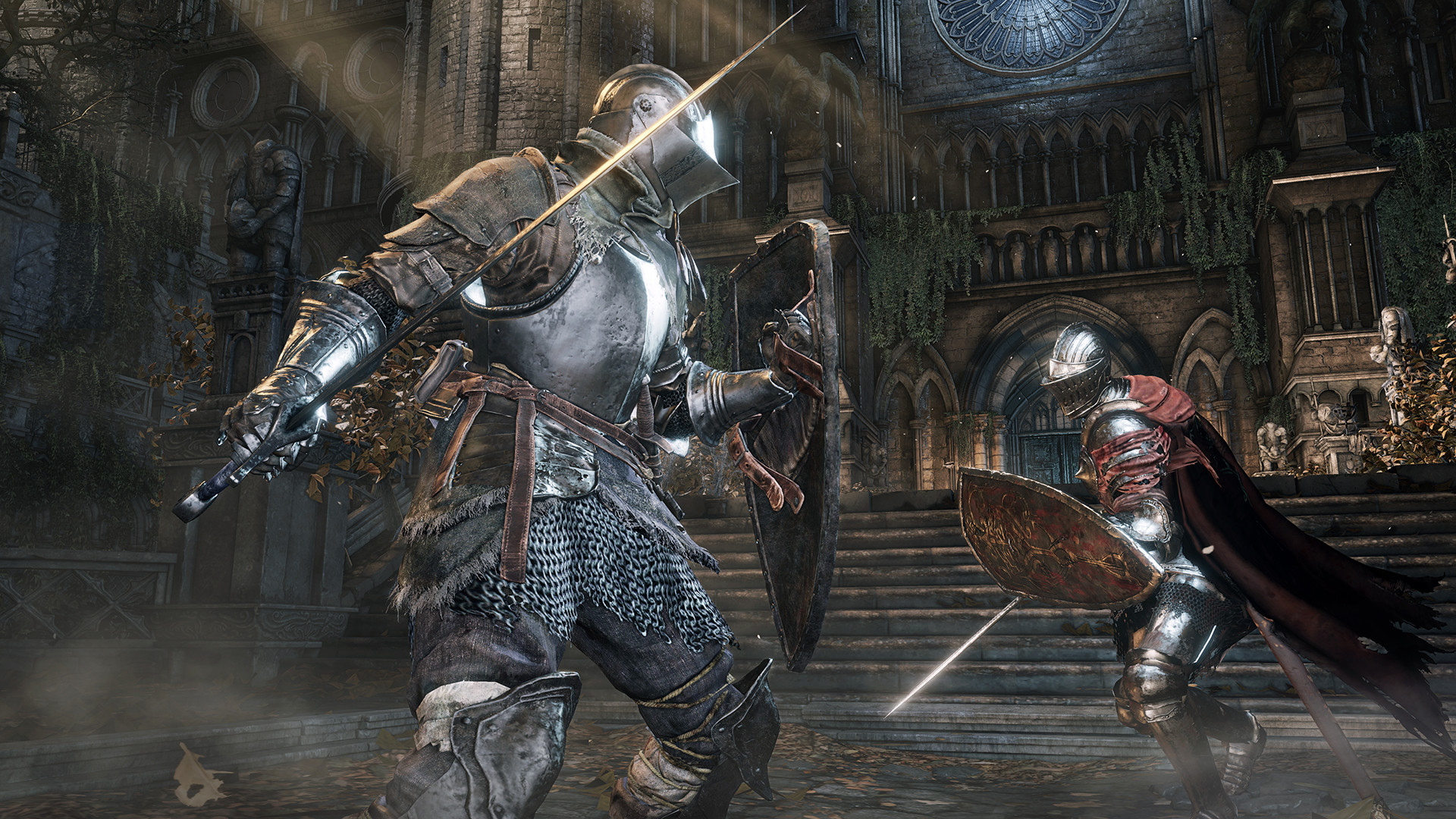
Dark Souls III is a classic action role-playing game developed by FromSoftware and published by Bandai Namco Entertainment, released in 2016. As the concluding chapter of the "Dark Souls" series, this title inherits the series' signature high-difficulty design, dark fantasy world, and intricate combat system, elevating the unique blend of "suffering" and exploration to new heights.
The game is set in the dying world of "Lothric." Players assume the role of an "Unkindled," sealed away in the Northern Undead Asylum, embarking on a journey to seek the ancient Lords of Cinder and prolong the Age of Dark. The game continues the series' distinctive fragmented storytelling style, allowing players to piece together the world's complete history and tragic fate through environmental details, item descriptions, and NPC dialogue.
Game Features
Ultimate High-Difficulty Challenge
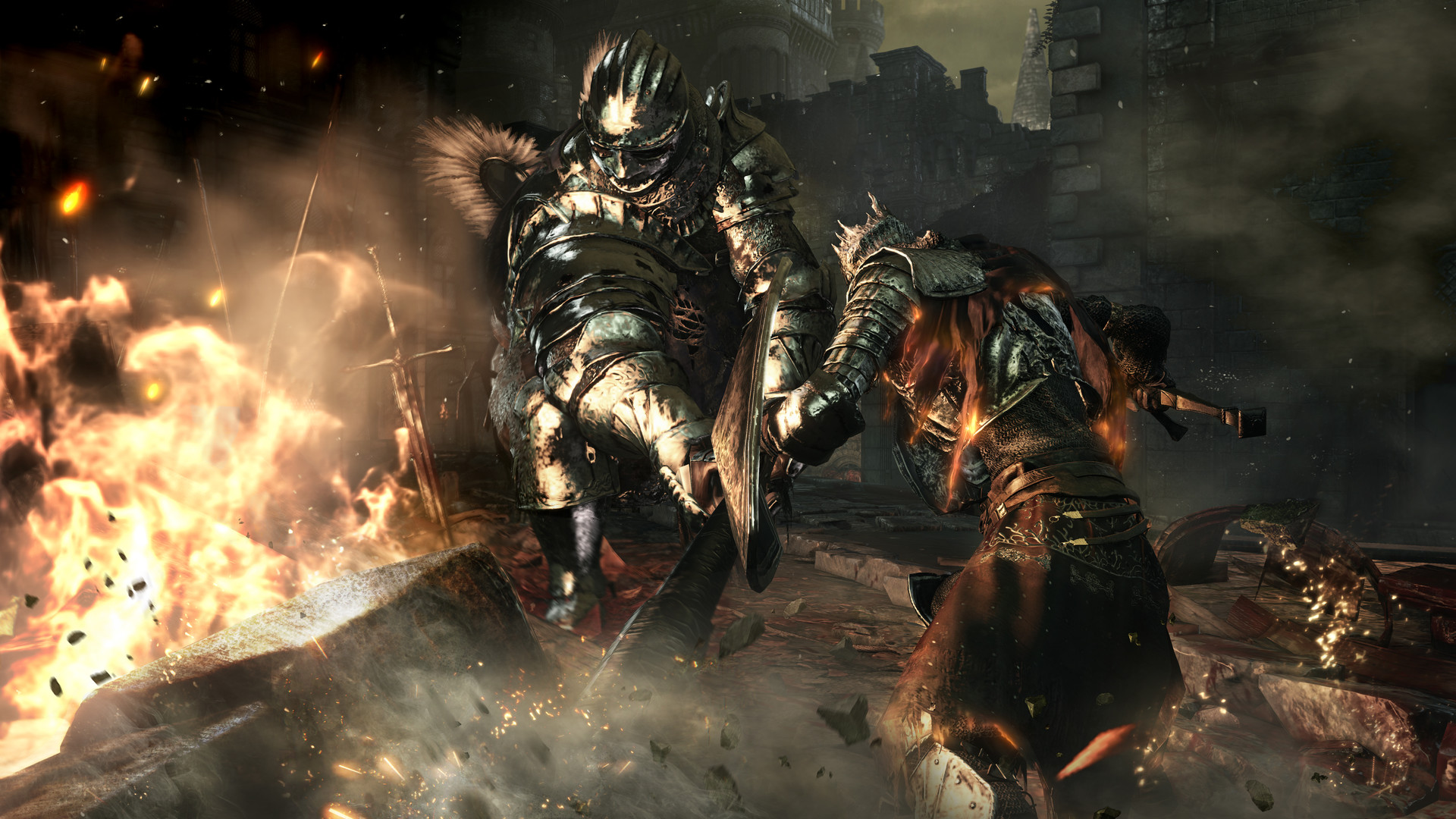
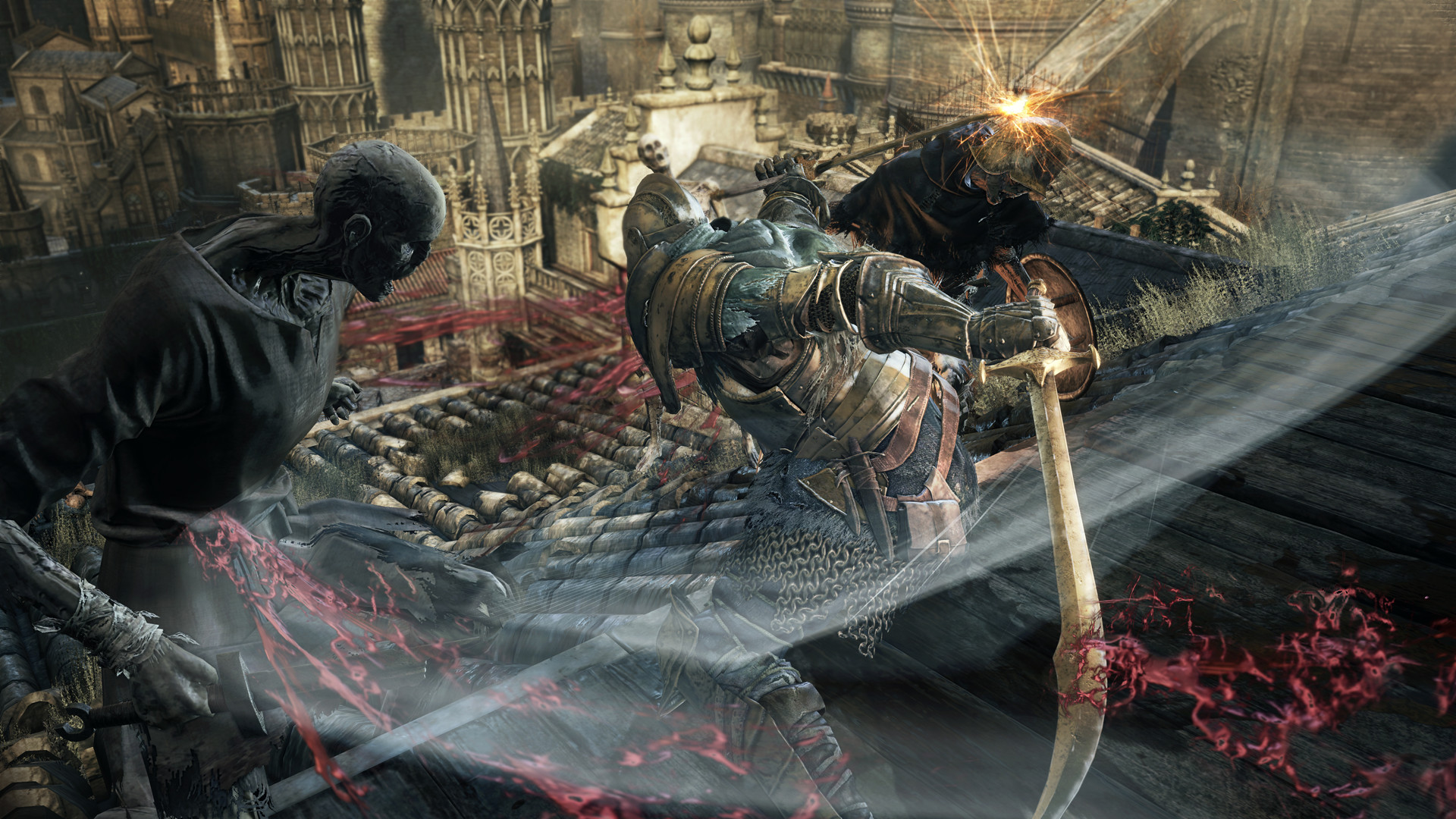
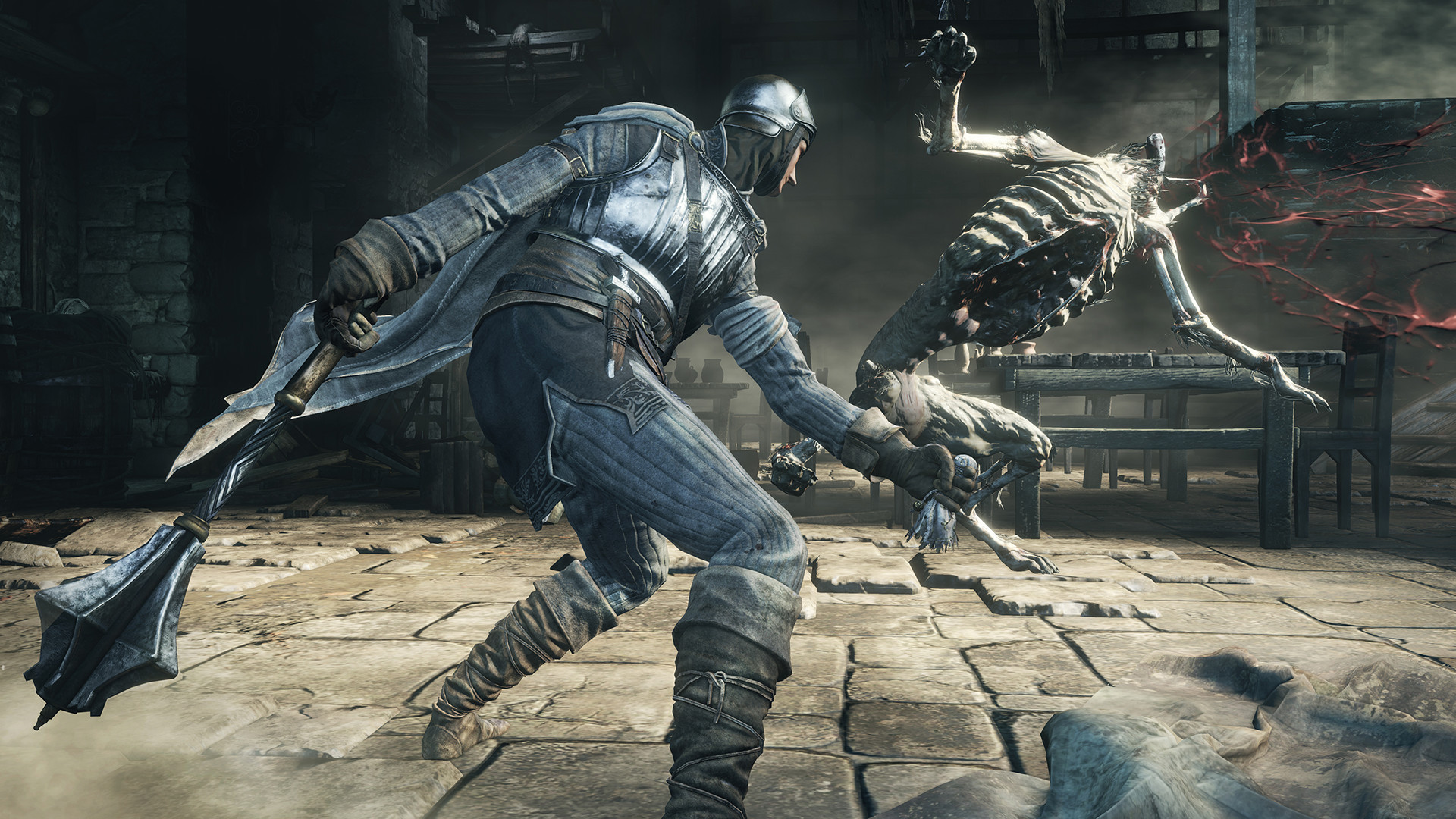
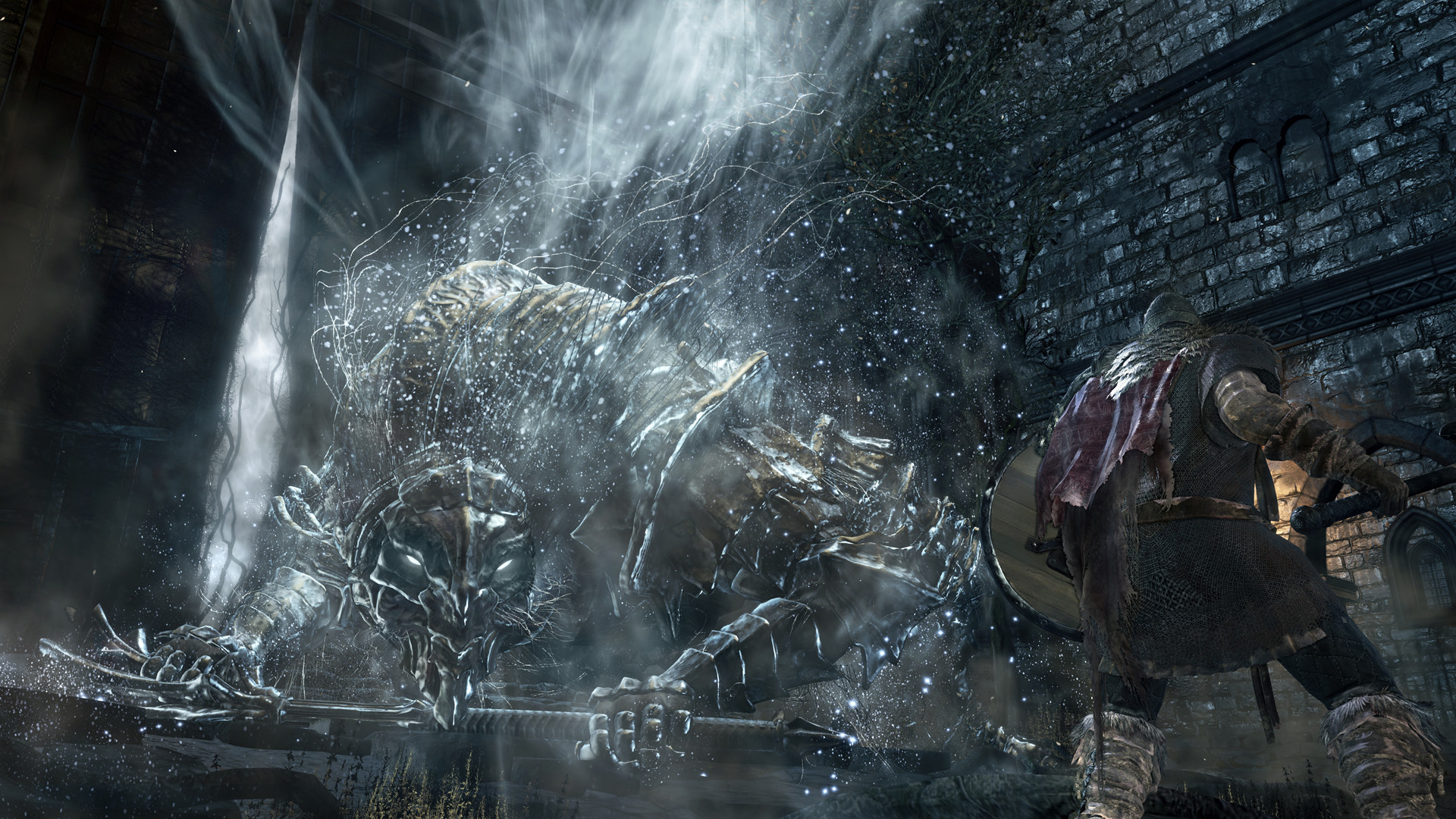
As a benchmark for "Souls-like" games, Dark Souls III is renowned for its intensely challenging combat design. Enemies feature precise attack hitboxes and dangerous AI behavior patterns, while boss battles serve as comprehensive tests of player skill, patience, and strategy. Each death is an opportunity to learn, and this philosophy of "growth through failure" has become the series' most recognizable hallmark.
A Profound Dark Fantasy World
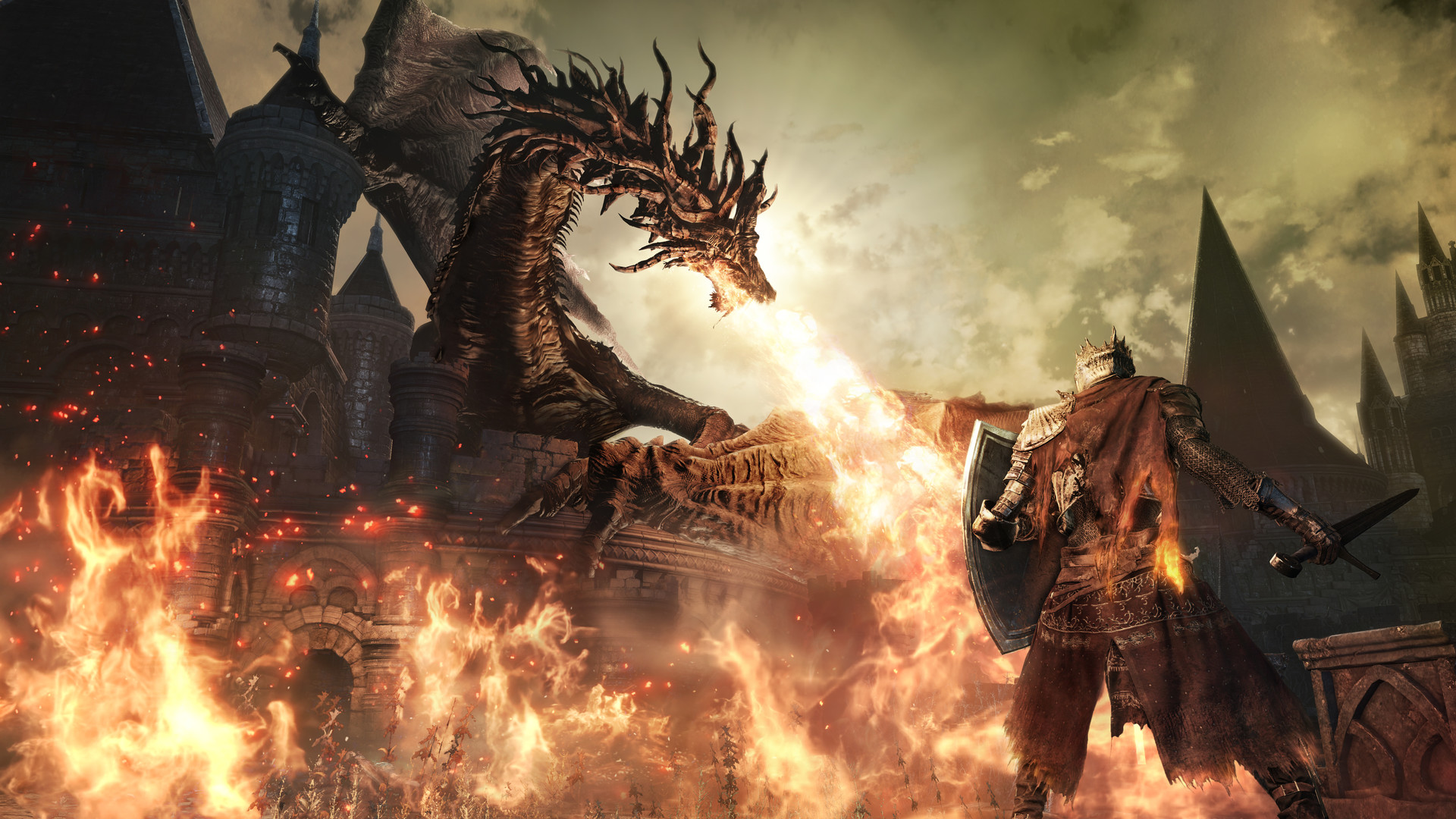
The game constructs a fantasy world shrouded in darkness and despair—the Kingdom of Lothric. From the eerie ruins of the High Wall to the majestic halls of the Grand Archives, from the burning Irithyll of the Boreal Valley to the mysterious Garden of the Consumed King, each area boasts a unique visual style and atmospheric depth. Gothic architecture, rusted armor, and flickering candlelight weave together a solemn, apocalyptic tapestry.
Intricate Weapon System & Build Diversity
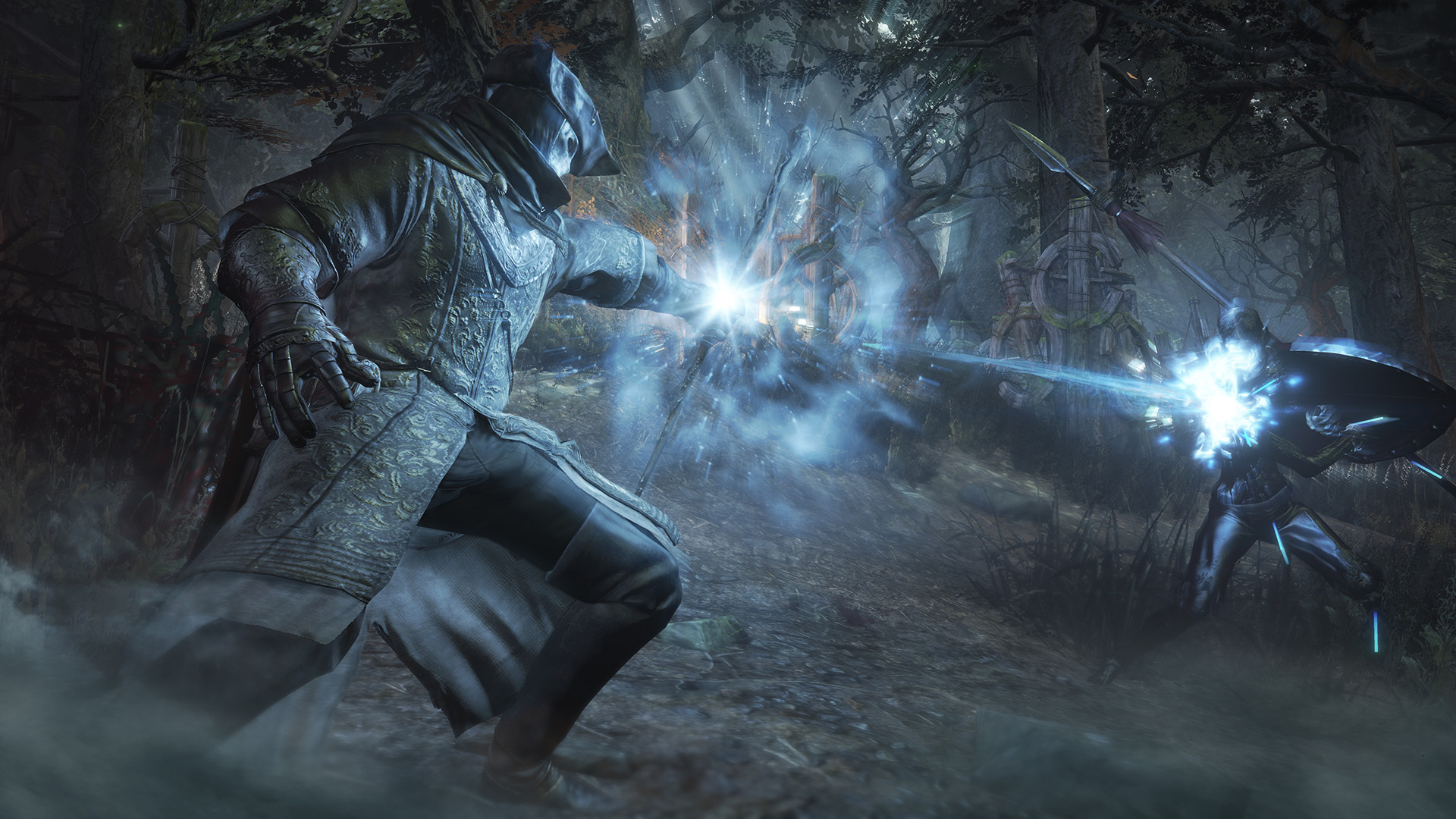
The game offers over 100 weapon choices, spanning categories such as straight swords, greatswords, curved swords, staves, sorceries, and miracles. Each weapon features unique move sets, attribute scaling, and skill effects. Players can freely combine attributes, stat allocation, and equipment to forge their own combat style. Whether as a Strength/Dexterity warrior, a sorcerer, or a Faith-based cleric, everyone can find a distinct gameplay experience.
Fragmented Narrative & Obscure Lore
Hidetaka Miyazaki's unique storytelling approach permeates the entire game. Instead of providing direct exposition, the narrative unfolds through environmental design, enemy placement, item descriptions, and NPC dialogue, allowing players to gradually understand the world's history through exploration. This method sparks player imagination and fosters a vibrant community discussion culture.
Gameplay
Core Combat Mechanics
The game utilizes a third-person action combat system emphasizing positioning, timing, and resource management. Players must master the following key elements:
- Stamina Management: Each attack, dodge roll, or block consumes stamina. Managing stamina effectively is crucial for survival.
- Dodging & Lock-On: Precisely timed dodges avoid attacks, while the lock-on system helps track enemies.
- Blocking & Parrying: Shields can block to mitigate damage, and certain weapons allow for devastating ripostes.
- Poise & Stagger: Enemies with high poise cannot be easily interrupted, requiring attacks during their openings.
Exploration & World Design
The game employs non-linear level design, allowing free exploration between interconnected areas. Each region hides secret passages, optional bosses, and unique items. Players are encouraged to observe their surroundings carefully to discover hidden shortcuts and areas, making exploration a core and rewarding part of the experience.
Bonfire System & Checkpoints
Bonfires serve as save points and fast-travel hubs. Players can rest at bonfires to level up, replenish their Estus Flask uses, and respawn, but this also resets most enemies in the area. This design provides moments of respite while maintaining the challenge.
Multiplayer Elements
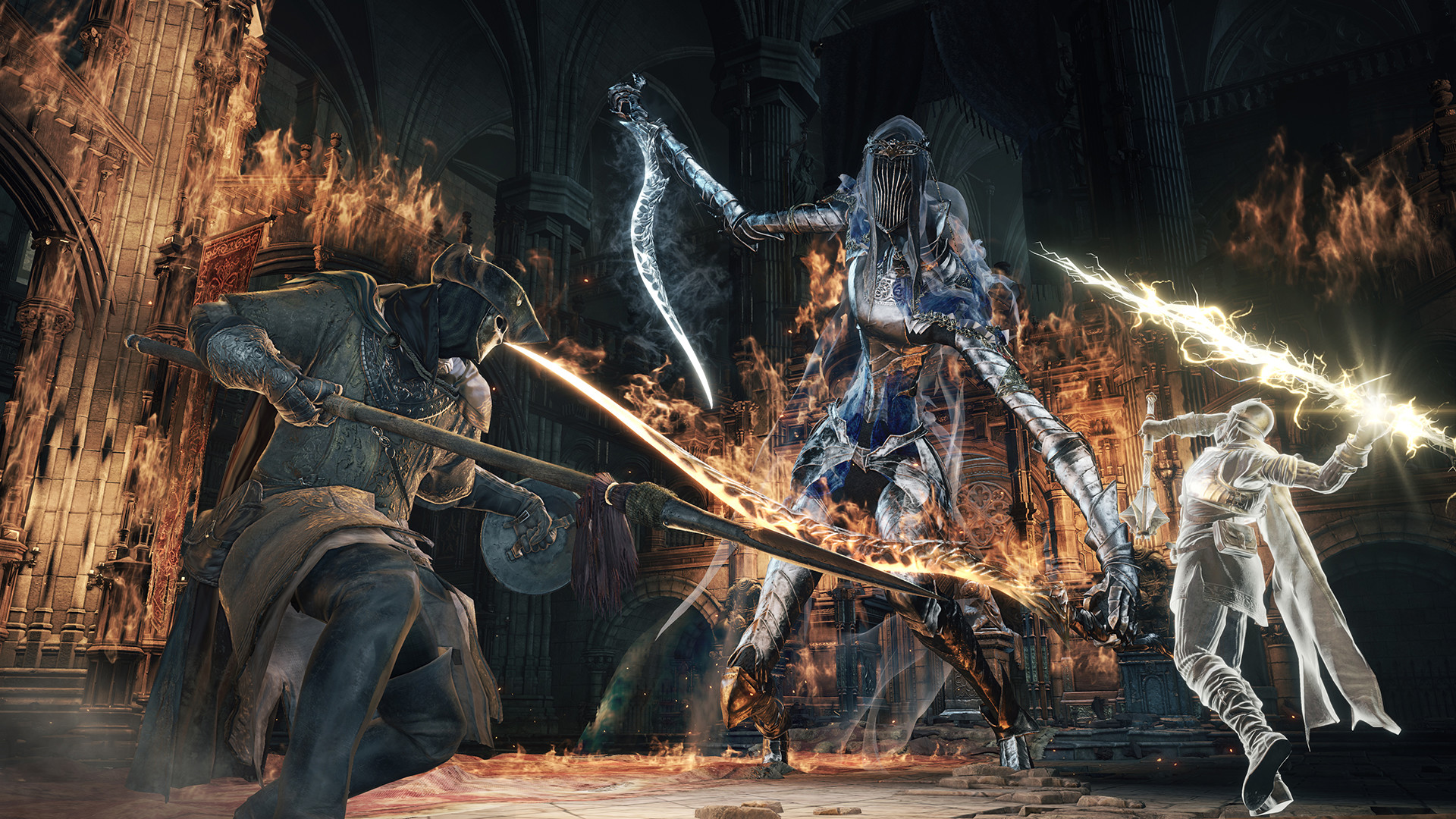
The game supports asynchronous online multiplayer. Players can leave messages for others, summon allies for cooperative play, or invade other worlds for PvP combat. This asynchronous interaction adds a rich social layer to the single-player experience.
Boss Battle Strategies
Each boss fight tests the player's skill and understanding. Players must observe attack patterns, identify safe windows for offense, and adapt to phase transitions. From the initial boss Iudex Gundyr to the final boss The Soul of Cinder, every encounter offers a unique and memorable challenge.
Related Games

欢迎关注