


Unity of Command II (Unified Moscow 41)
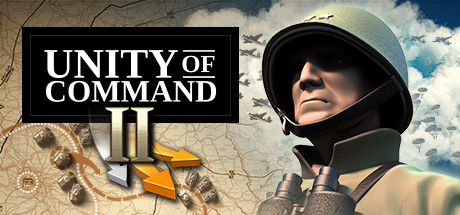
In Unity of Command 2: The Battle of Moscow 41, you will take command of the German forces, leading them through intense combat on the Moscow front. Utilize tactical advantages and strategic decisions to coordinate units and troops, securing victory on the battlefield.
Game Info
- Developer2x2 Games
Game Details
Game Introduction
Unity of Command II is a turn-based strategy wargame jointly developed by the Austrian independent game studios Grunberg and Croteam, officially released in 2019. As the sequel to the classic WWII strategy game Unity of Command, this title continues the core setting of the Eastern Front of World War II, immersing players in the epic years of the Soviet-German War from 1941 to 1945. Starting with the German invasion of the Soviet Union in Operation Barbarossa, the game spans major historical battles such as the Defense of Moscow, the Battle of Stalingrad, and the Battle of Kursk. Players have the opportunity to command either the German or Soviet forces, experiencing the war epic that reshaped the world.
Game Features
Deep Strategic Systems
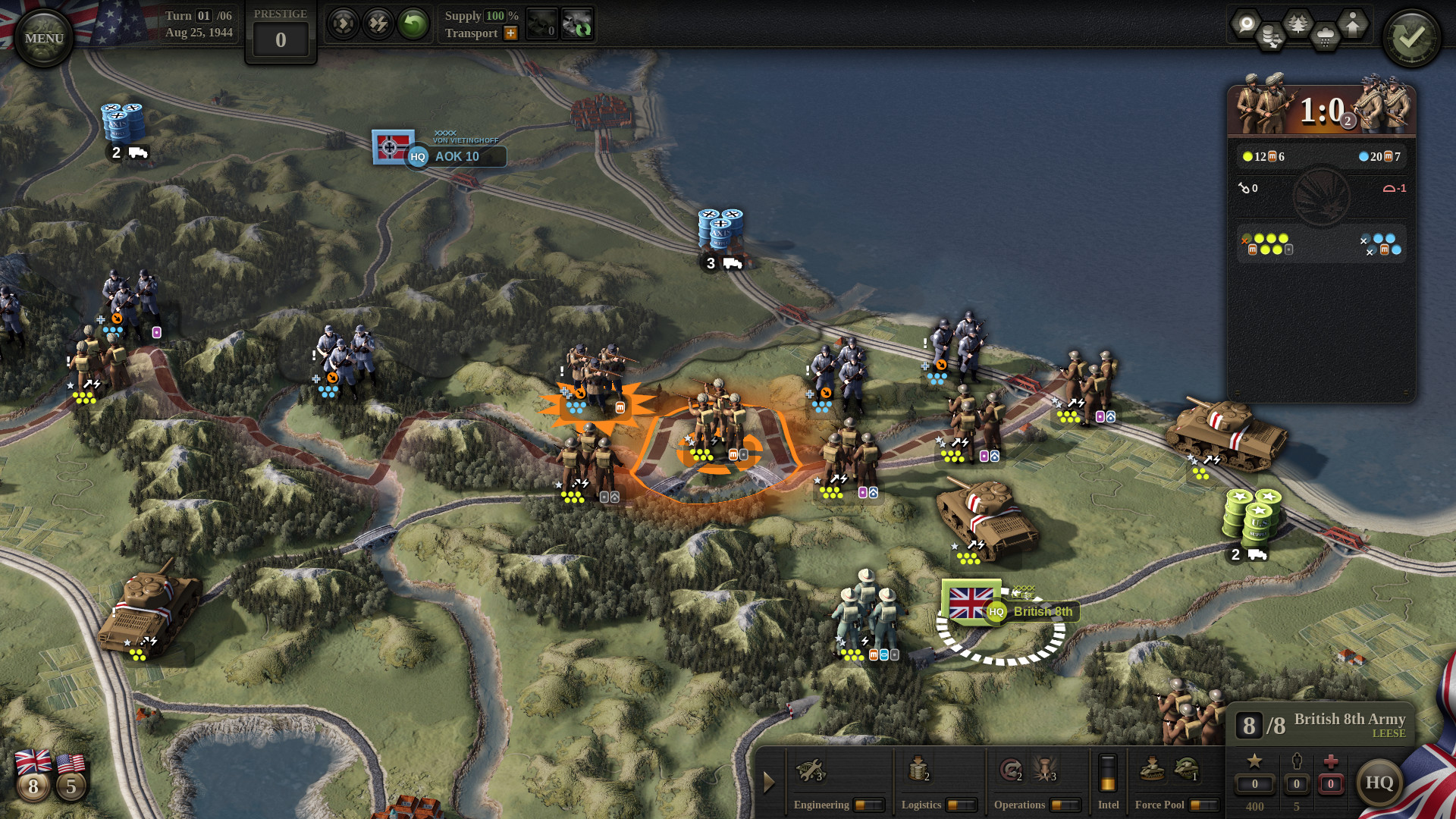
The game replaces traditional turn-based limitations with an innovative "Action Points" system, allowing players to freely allocate limited resources based on strategic needs. Every military decision requires careful consideration. Weather systems and terrain factors profoundly influence the battlefield situation: the rainy season turns roads into mud, while winter freezes rivers into natural passageways. This dynamic environmental system greatly enhances the game's replay value.Clean and Intuitive Interface
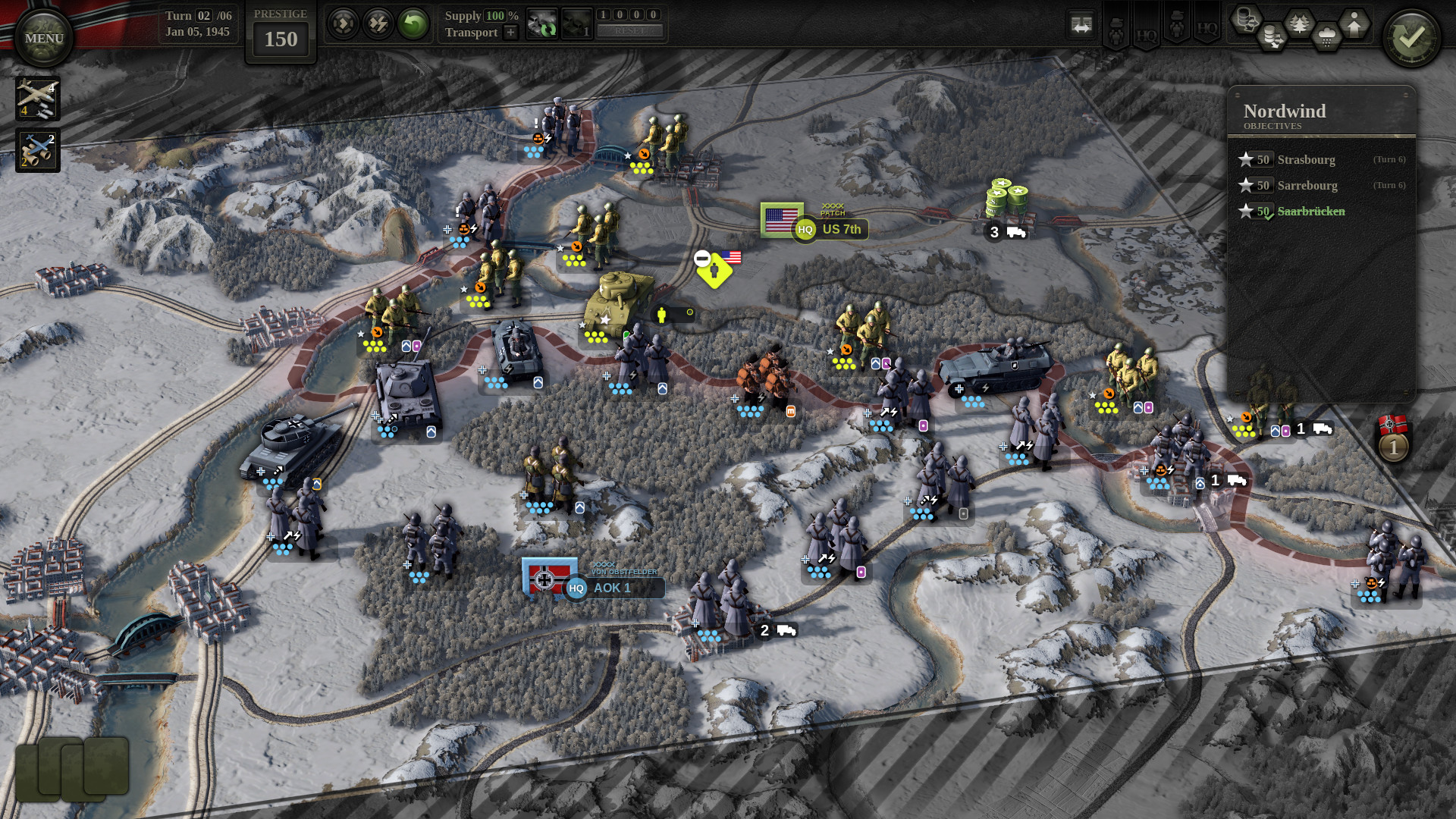
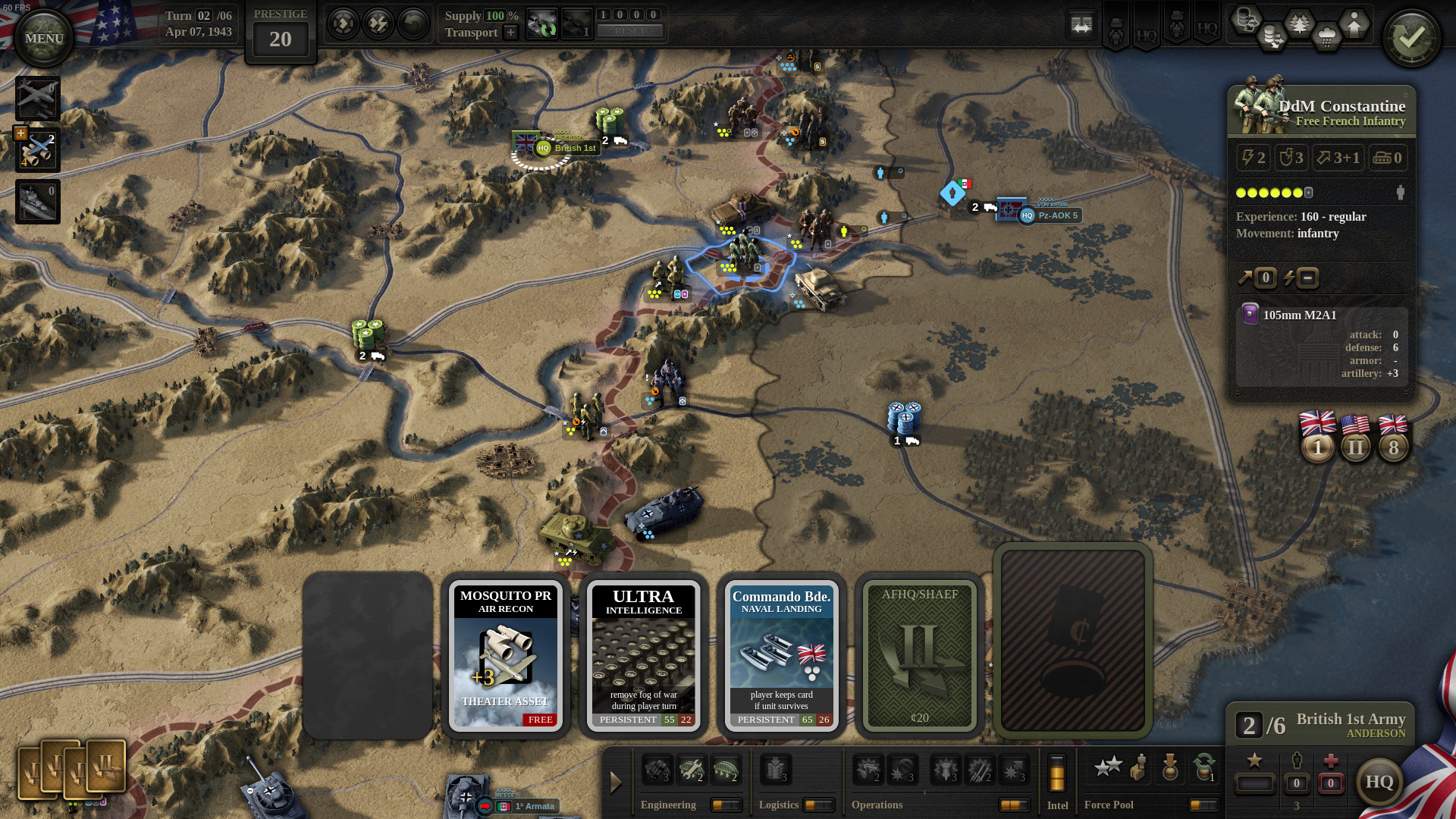
The game inherits the minimalist design philosophy praised in its predecessor, using arrows and colors to intuitively display unit movement paths and attack ranges. Players can quickly deploy strategies without cumbersome operations. The auto-resolve combat system allows players to focus on macro-strategic decisions without getting bogged down in the specifics of every minor skirmish.Rich Historical Campaigns
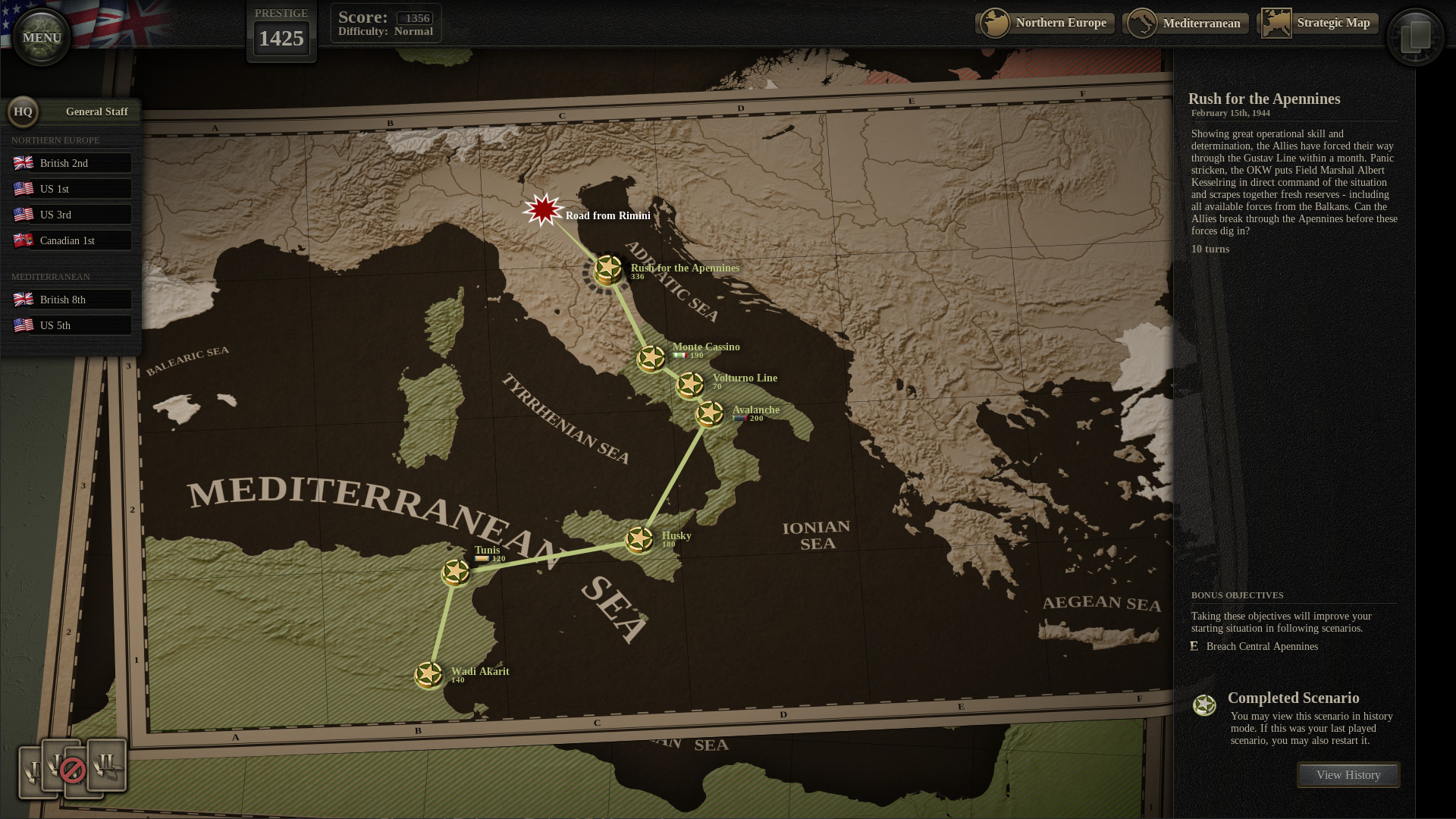
The game features numerous classic campaigns from the Defense of Moscow to the Battle of Berlin. Players can make different choices at key historical junctures, exploring the "what-if" possibilities of alternate history. Each campaign is meticulously researched, with maps, unit compositions, and equipment striving for historical authenticity.Dual Faction Experience
Players can command both the German and Soviet factions, each with entirely different tech trees, special units, and strategic advantages. German forces excel with elite armored units and efficient logistics, while the Soviets are renowned for their vast manpower reserves and tenacious willpower.Gameplay
Core Loop
The core gameplay revolves around three phases: "Plan-Execute-Assess." Players first plan unit movement routes and attack objectives on the strategic map. The system then executes all commands simultaneously. Finally, players assess the strategic outcome based on combat results and adjust their next plan. This design allows players to control the entire theater of war from a macro perspective, experiencing the thrill of grand strategy.Supply Line System
The supply line is one of the game's most distinctive mechanics. Player units must maintain a connection to a rear base to receive full supplies. If the supply line is cut, a unit's mobility and combat effectiveness are severely degraded. This mechanic requires players to consider logistics while on the offensive, avoiding reckless advances that leave units isolated.Weather and Seasons
The game realistically simulates the variable climatic conditions of the Eastern Front. Spring mud, summer dryness, autumn rains, and winter frost each directly impact operations. Winter allows troops to march across frozen rivers and lakes but can increase equipment failure rates. Summer favors rapid armored advances, but dry steppes are prone to wildfires.Technology and Upgrades
By accumulating resource points, players can gradually unlock more advanced military technologies and equipment. From early Panzer IIIs to later Tiger tanks, from basic infantry to elite Panzergrenadiers, the diversity of the tech tree allows for varied tactical choices in every campaign.
×
![Game Screenshots]()
Related Games

欢迎关注
点击加入QQ交流群